
How to Pinch Herbs for Beginner Gardeners: Effortlessly Boost Growth!
“The best time to start your kitchen garden was yesterday…the next best time is today!”
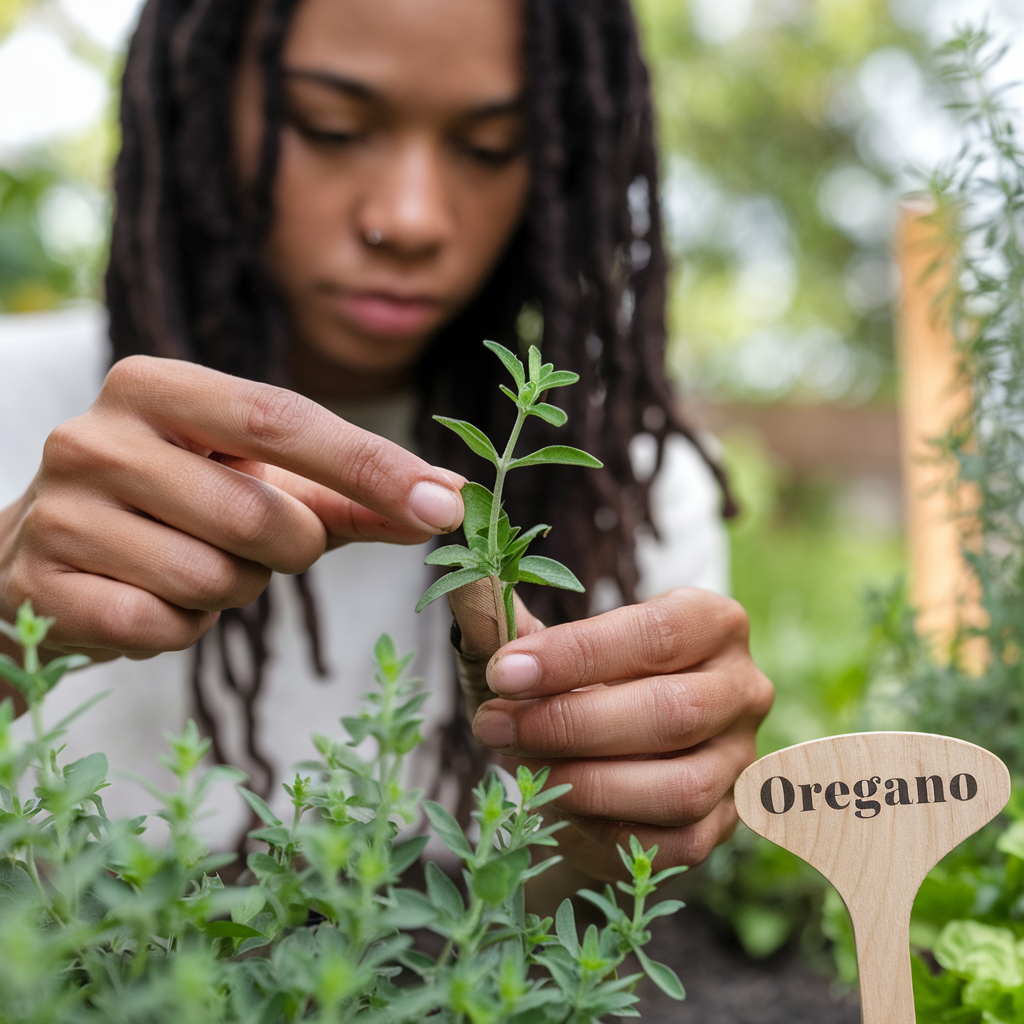
Learning how to pinch herbs correctly transforms ordinary plants into aromatic powerhouses bursting with flavor and vitality.
This simple technique—a decisive snip that takes seconds—is the secret growth hack professional gardeners have relied on for centuries, and now it's your turn to unlock nature's bounty.
I know It's Scary
You know you should “pinch” your herbs but, you stand in front of your herb garden, scissors in hand, wondering:
Am I about to kill my basil?
What if I cut too much?
What if it never grows back?
It's understandable that beginner gardeners feel overwhelmed or hesitate when it comes to pinching herbs because it sounds like something that could go horribly wrong.
But here’s the truth: Pinching is one of the best things you can do for your herbs. It helps them become bushier, healthier, and far more productive.
Don't worry…in this article, I will walk you through everything you need to know, from what pinching is, which herbs benefit from it, and exactly how to do it.
By the end, you’ll feel completely confident in this simple but powerful gardening technique.
What Is “Pinching” and Why You should Do It?
What Does Pinching Mean?
Pinching is removing the top growth of a plant to encourage it to grow outward instead of just upward.
If you don't pinch or clip your herbs, many will grow tall and leggy, meaning they have long stems with fewer leaves. By pinching them back, the plant redirects its energy to branching out, to produce more leaves and become fuller.
When you grow herbs, you want them to produce as many leaves as possible.
Think of it like getting a haircut. Trimming split ends makes hair healthier and encourages new growth—pinching does the same for your herbs.
Pinching Herbs
Pinching herbs is a technique used to encourage bushier growth, improve yield, and prevent plants from becoming too tall and leggy.
Soft-stemmed herbs like basil, mint, oregano, and thyme benefit from pinching because it stimulates new growth from the nodes below the pinch, resulting in a fuller, more productive plant.
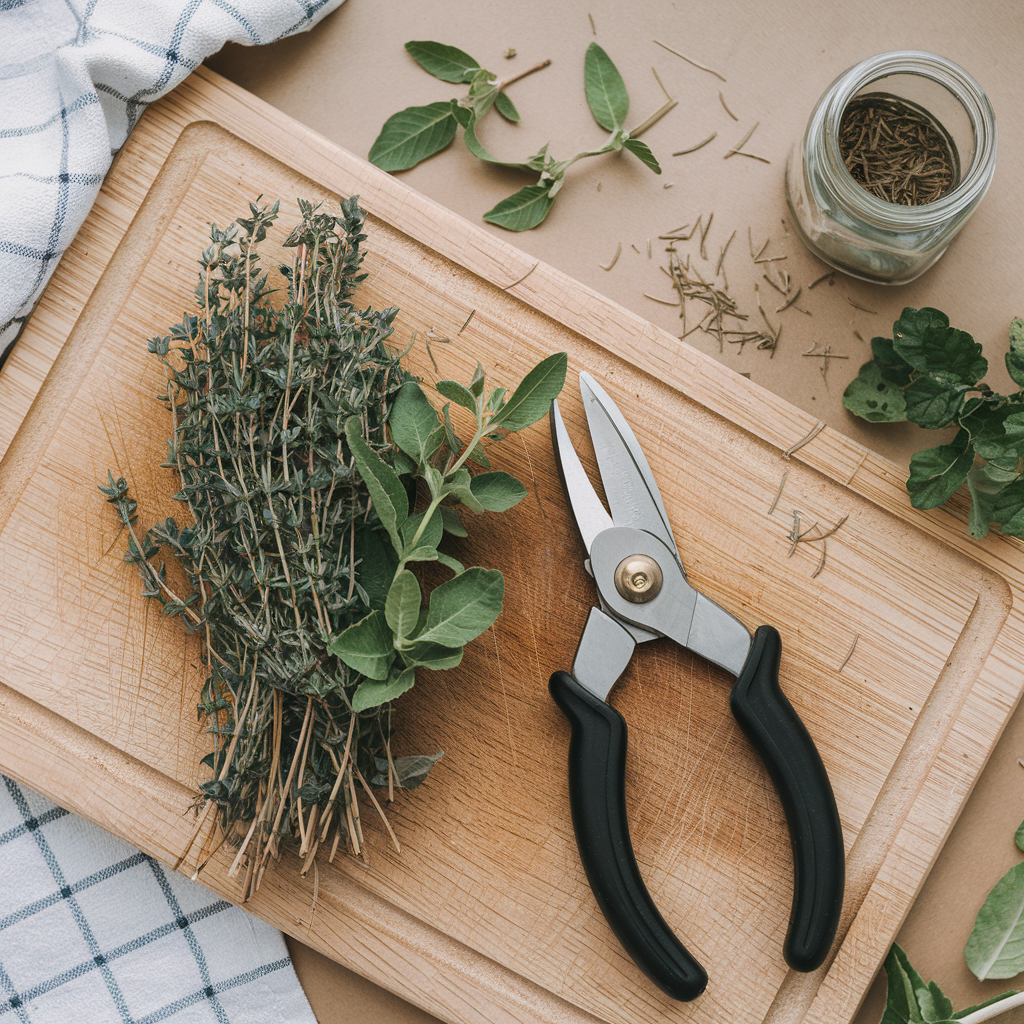
However, woody-stemmed herbs like rosemary, lavender, and sage do not respond well to pinching, as they grow from older wood rather than soft, new stems. Instead, these herbs require light pruning with scissors or shears to maintain shape and encourage healthy growth.
Knowing which herbs to pinch and which to prune ensures stronger, healthier plants and a more abundant harvest.
Here's how it works:
What is Pinching?
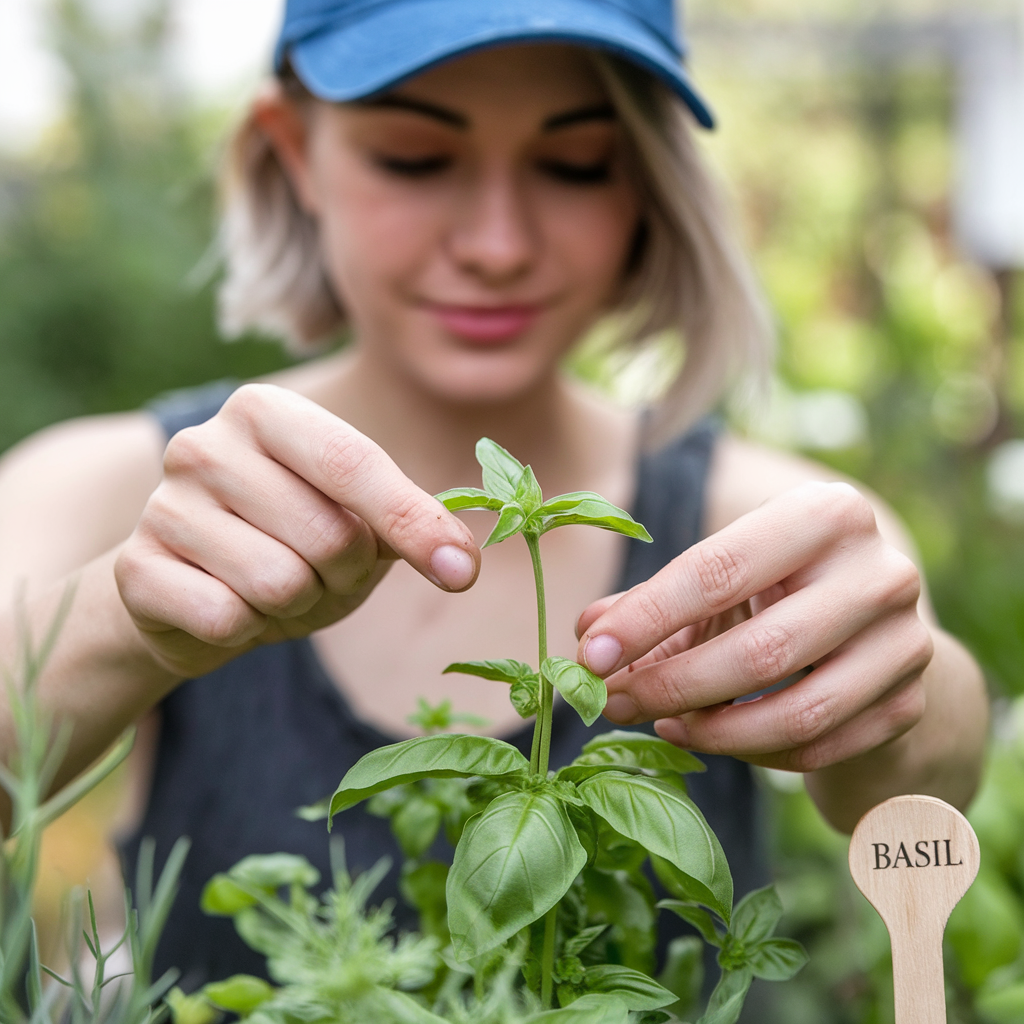
Pinching is the process of removing the growing tips of herb plants by literally “pinching” them between your thumb and forefinger. This technique:
- Stimulates lateral growth (side branching)
- Creates fuller, bushier plants
- Increases overall yield
- Prevents plants from becoming leggy and sparse
How to Pinch Herbs
- Wait for the right time: Begin pinching when your herb plant is about 6-8 inches tall and has several sets of true leaves.
- Locate the growing tip: Find the main stem's top growth point or the ends of branches where new leaves are forming.
- Pinch correctly: Using your thumb and forefinger, gently pinch off the top 1/4 to 1/2 inch of the stem, just above a set of leaves or leaf nodes.
- Continue throughout the season: Regular pinching (every 2-3 weeks) during the growing season maintains bushy growth.
Which Herbs Benefit Most From Pinching
Pinching works especially well for:
- Basil
- Mint
- Oregano
- Thyme
- Sage
- Rosemary
- Cilantro/coriander
Additional Benefits
Beyond creating bushier plants, pinching:
- Delays flowering, which extends the harvest period (once herbs flower, leaf production often slows and flavor can change)
- Provides small harvests of fresh herbs while promoting more growth
- Helps maintain the plant's compact shape
- Keeps stems tender rather than woody
Next time you're growing herbs, try pinching them regularly – you'll be rewarded with fuller plants and more abundant harvests!
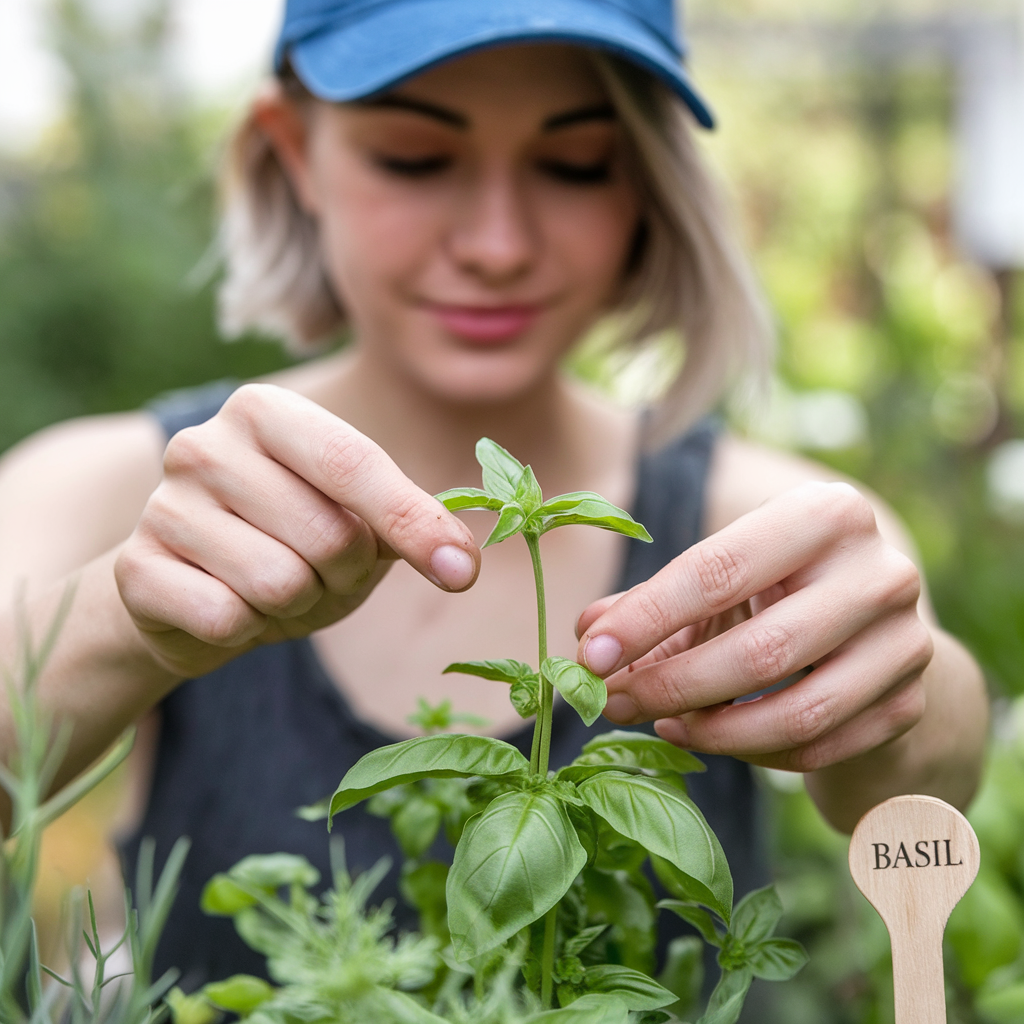
Basil
- The more you pinch, the more it grows.
- Without pinching, basil becomes weak and flowers too soon.
- Always pinch before flowers appear to keep it producing flavorful leaves.
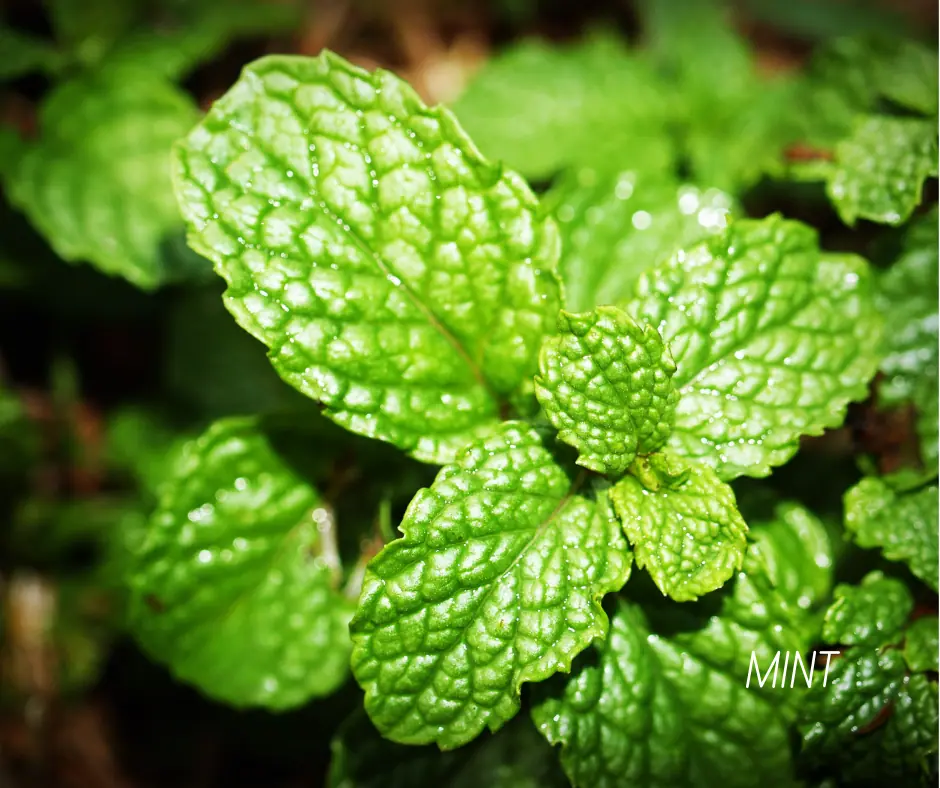
Mint
- Pinching prevents mint from growing too wild.
- Removing the tips encourages new shoots from the base.
Mint: A Vigorous Grower
Plant mint in pots as it is aggressive and will take over your raised beds.
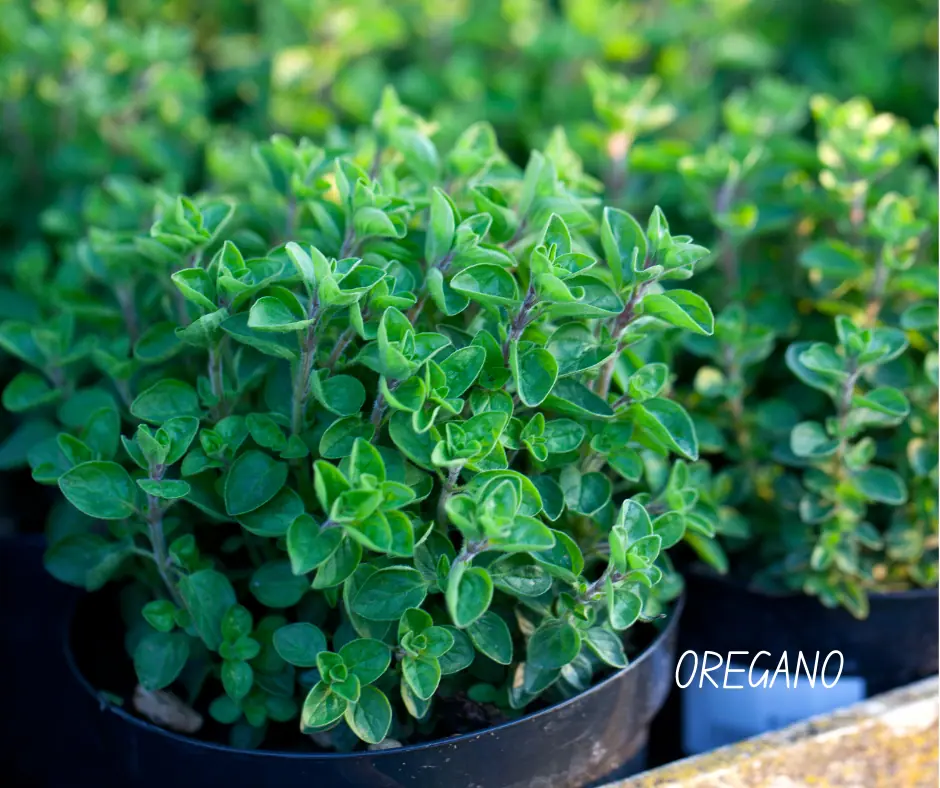
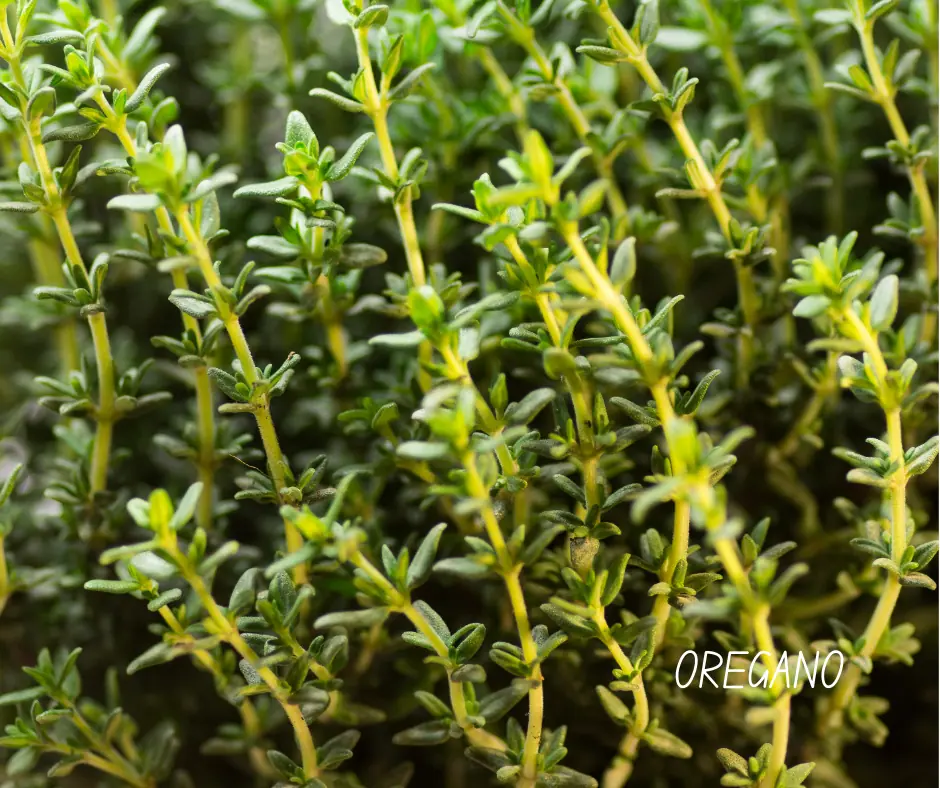
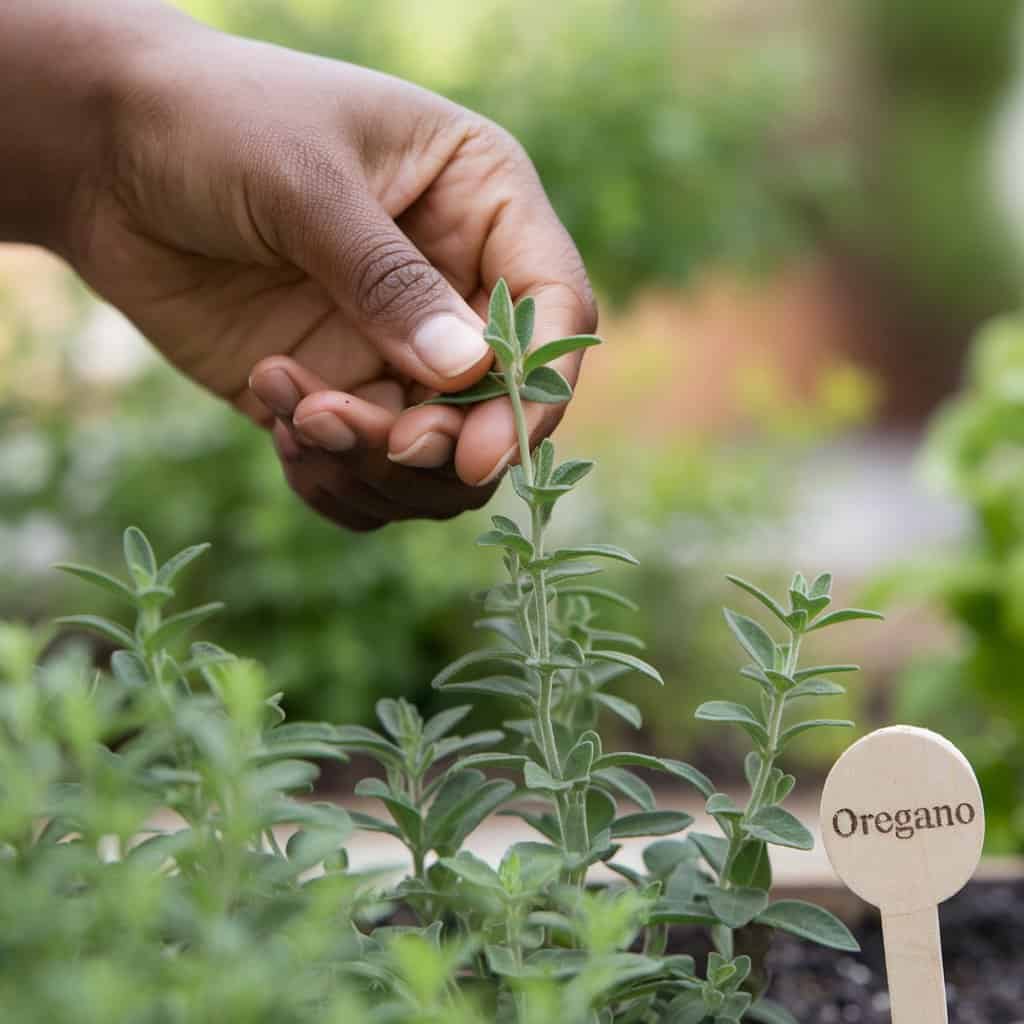
Oregano & Thyme
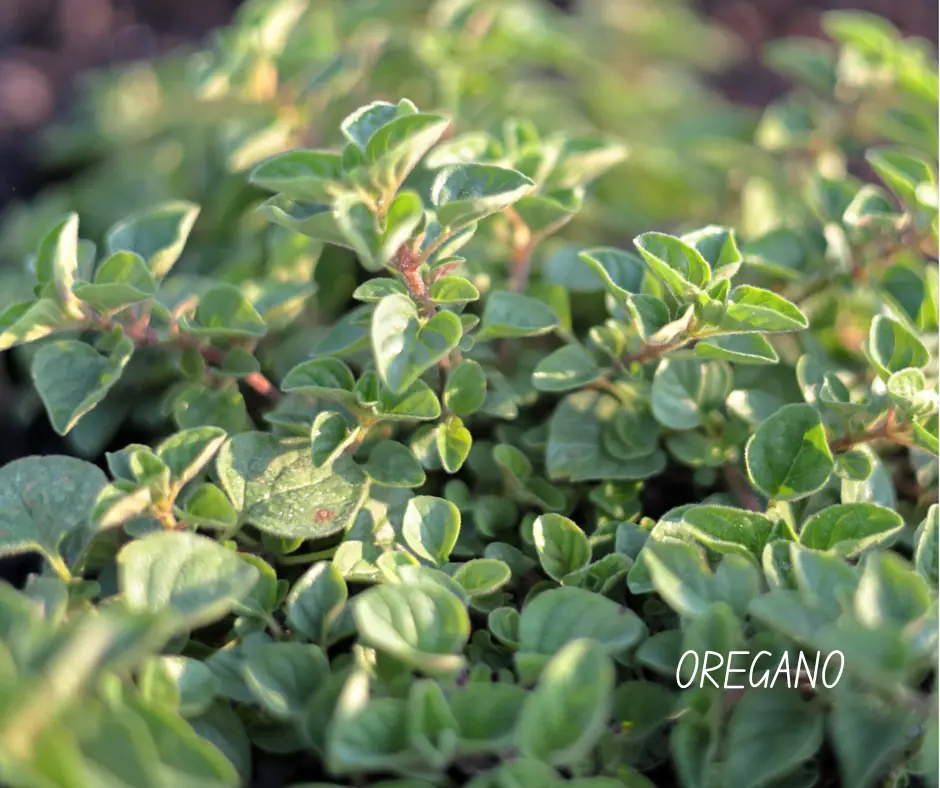
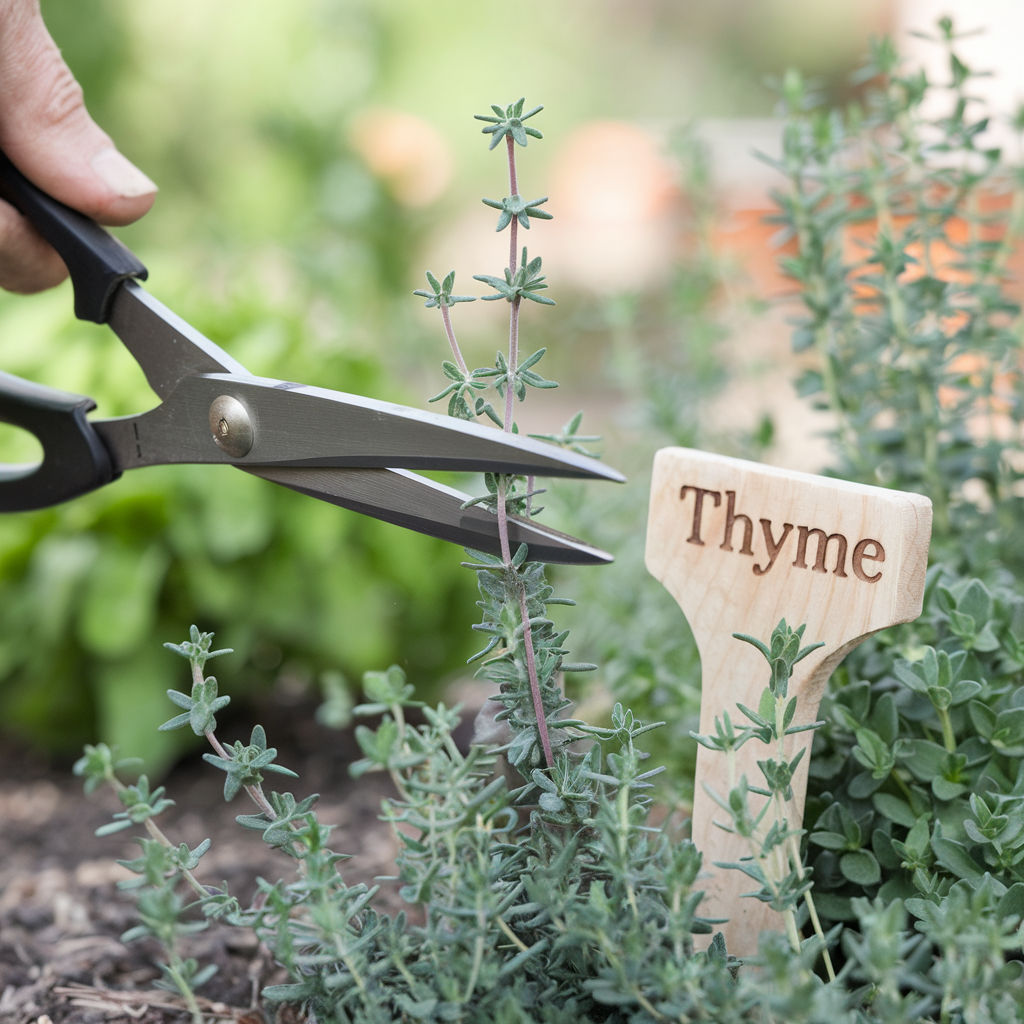
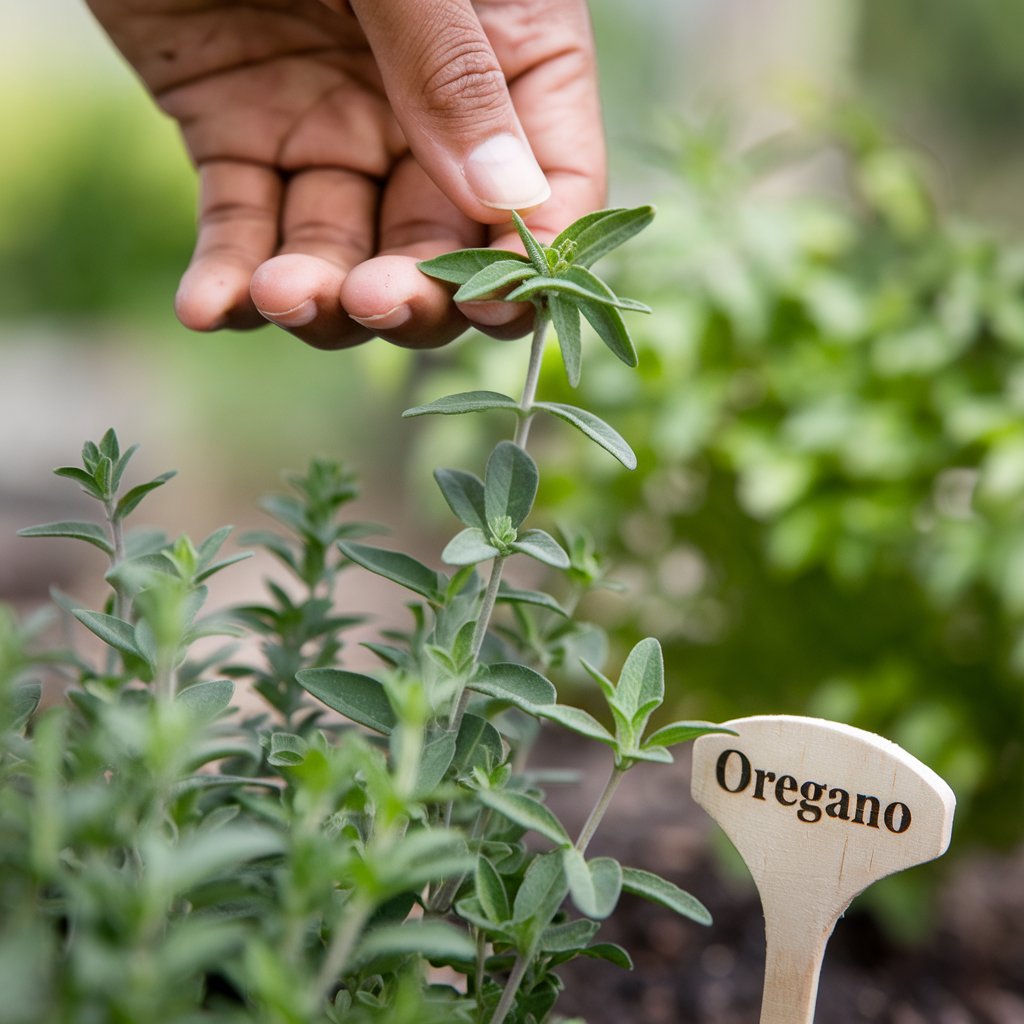
Oregano and thyme both benefit from pinching because it encourages dense, compact growth and prevents the plants from becoming too woody.
By regularly pinching back the tips, you stimulate new growth from the lower nodes, resulting in a fuller plant with more flavorful leaves.
This technique is especially useful for young plants, as it helps establish a strong, bushy structure. Additionally, pinching back flower buds before they open keeps the leaves at their most aromatic and flavorful for culinary use.
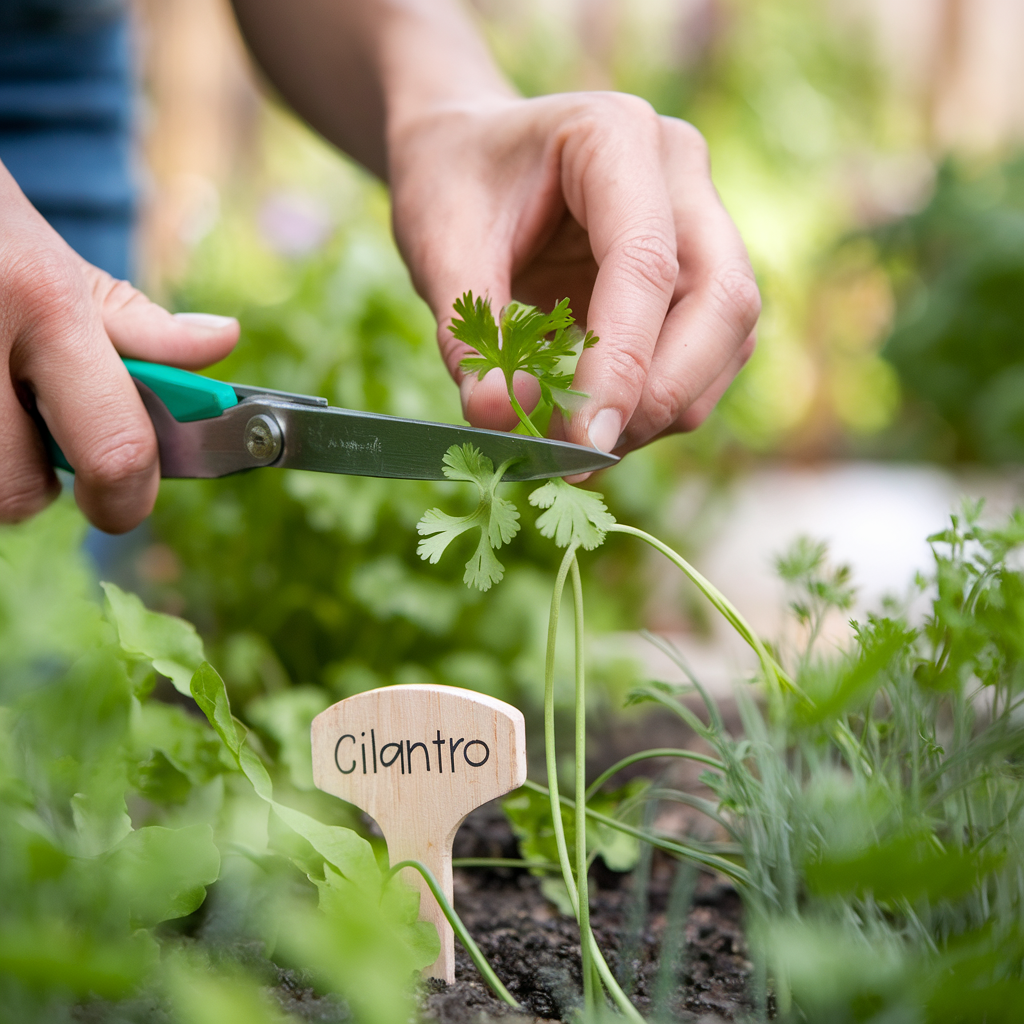
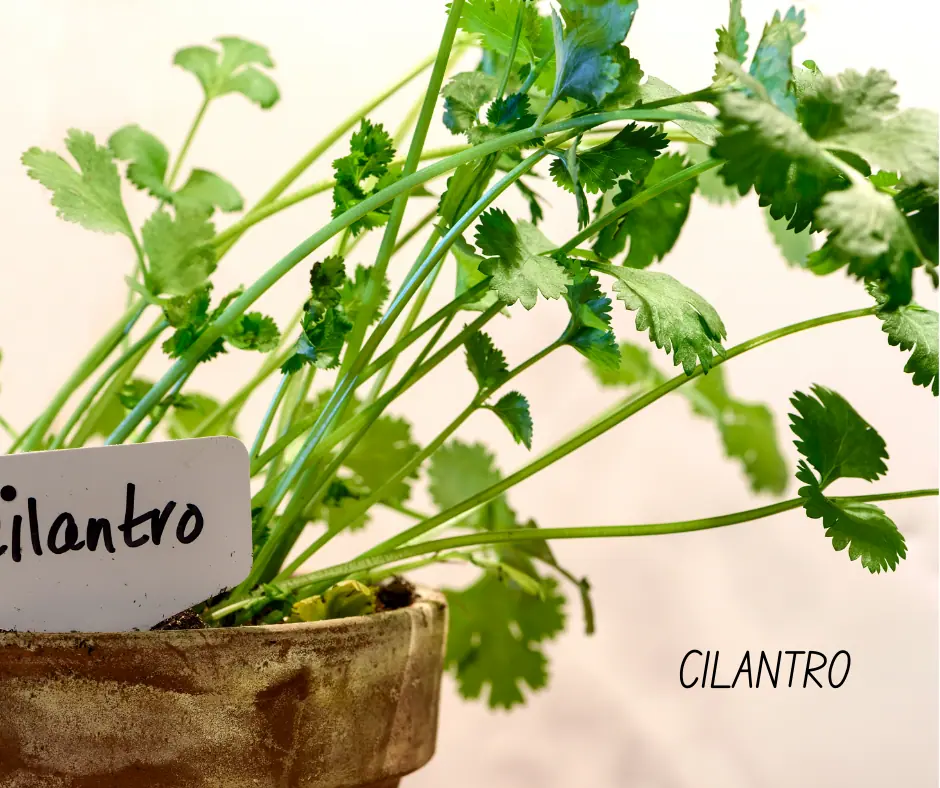
Cilantro
Cilantro benefits from occasional pinching to delay bolting, which is when the plant sends up a flower stalk and stops producing leaves.
By pinching off the tops when flower buds begin to form, you can extend the harvest period and encourage more leafy growth.
However, unlike basil or mint, cilantro does not grow bushier from pinching alone. Instead, regular harvesting of the outer leaves and keeping the plant well-watered helps maintain its productivity.
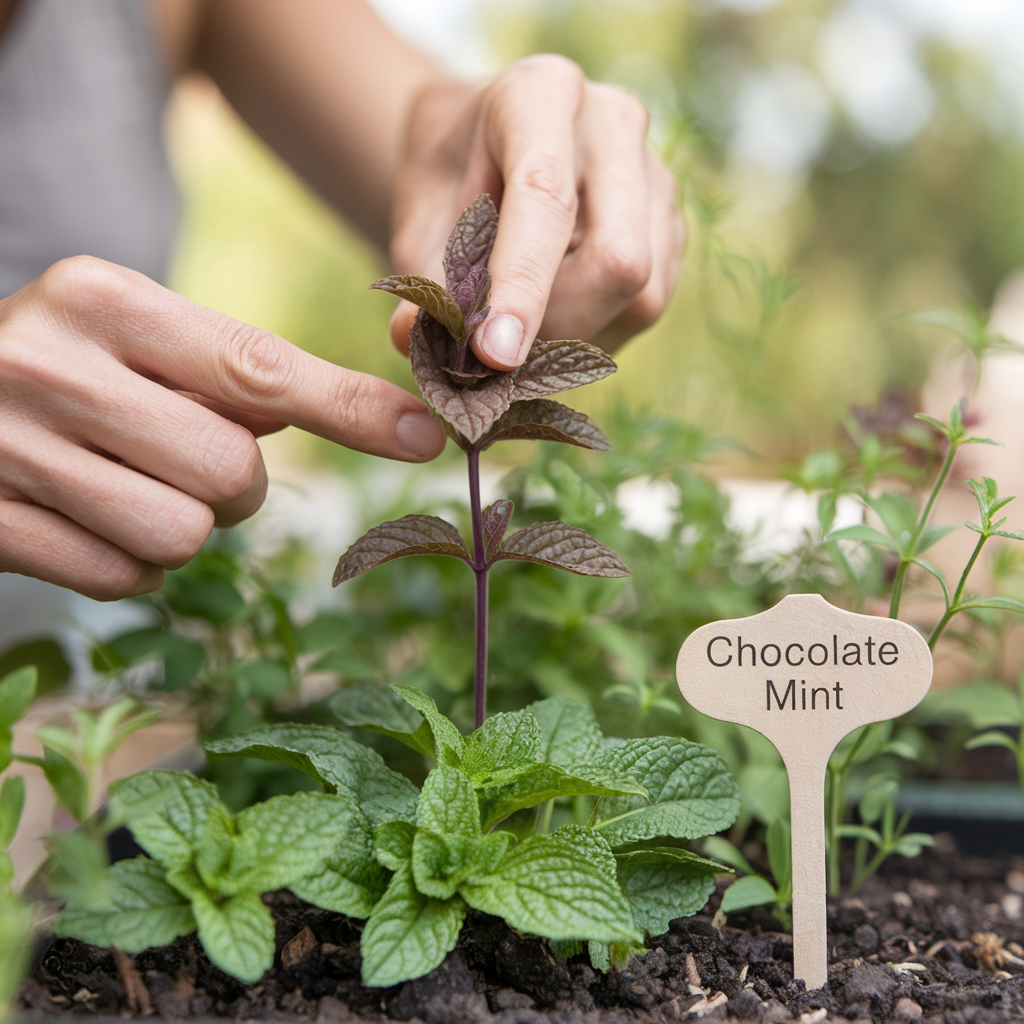
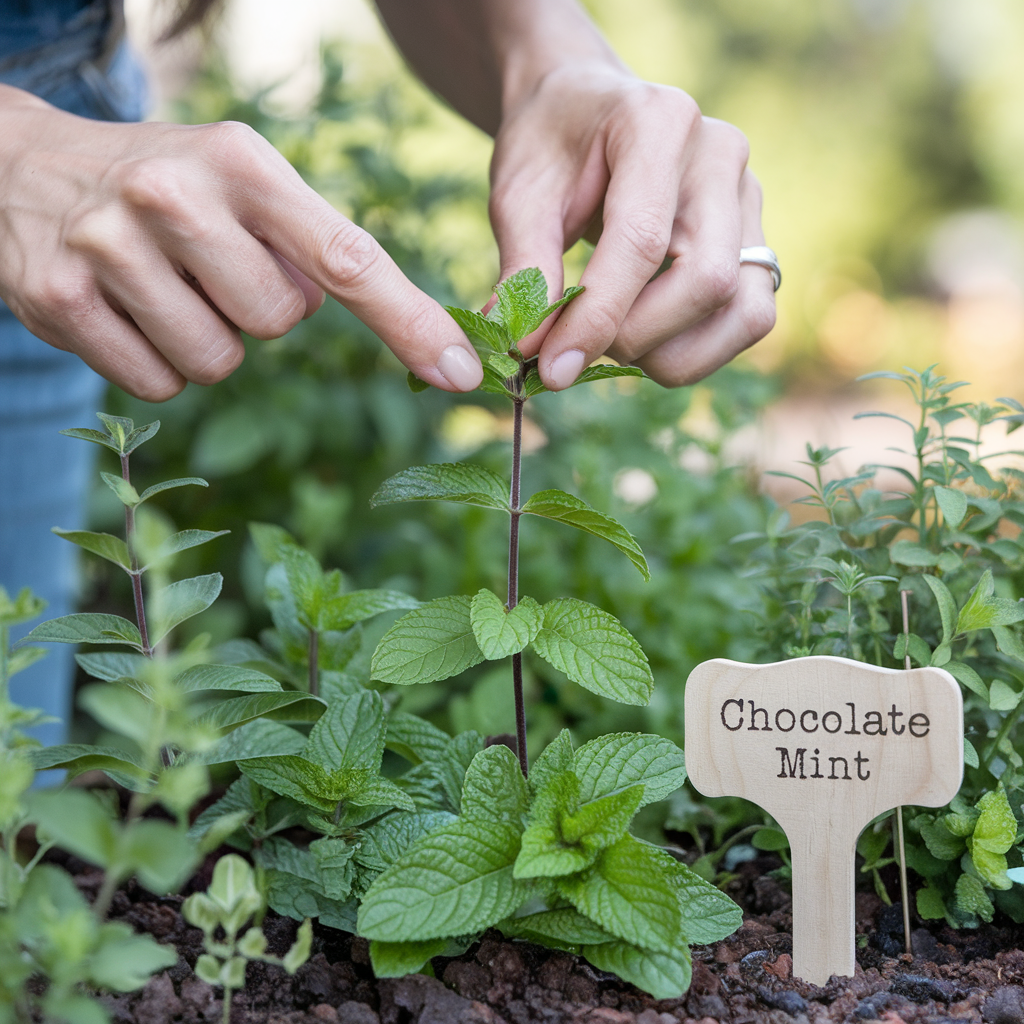
Chocolate Mint
Chocolate mint, like other mint varieties, thrives when pinched regularly.
Pinching back the growing tips prevents the plant from becoming too tall and leggy while encouraging lateral growth for a fuller, more vigorous plant.
Since mint spreads aggressively, frequent pinching also helps manage its growth and keeps it from taking over a garden bed or container.
Also, removing flower buds as they appear helps maintain the best flavor, as mint leaves become less aromatic after flowering.
I recommend growing mint in pots as it will take over your garden bed.
Planning your garden just got easier!
I’ve created a Planting Scheduler Tool to help you know exactly when to start seeds and transplant crops in your raised beds.
Grab Your Planting Scheduler Now!
No More Guessing What To Plant…When!
Try this AI tool I created just for you
Generate a succession planting schedule based on your frost dates.
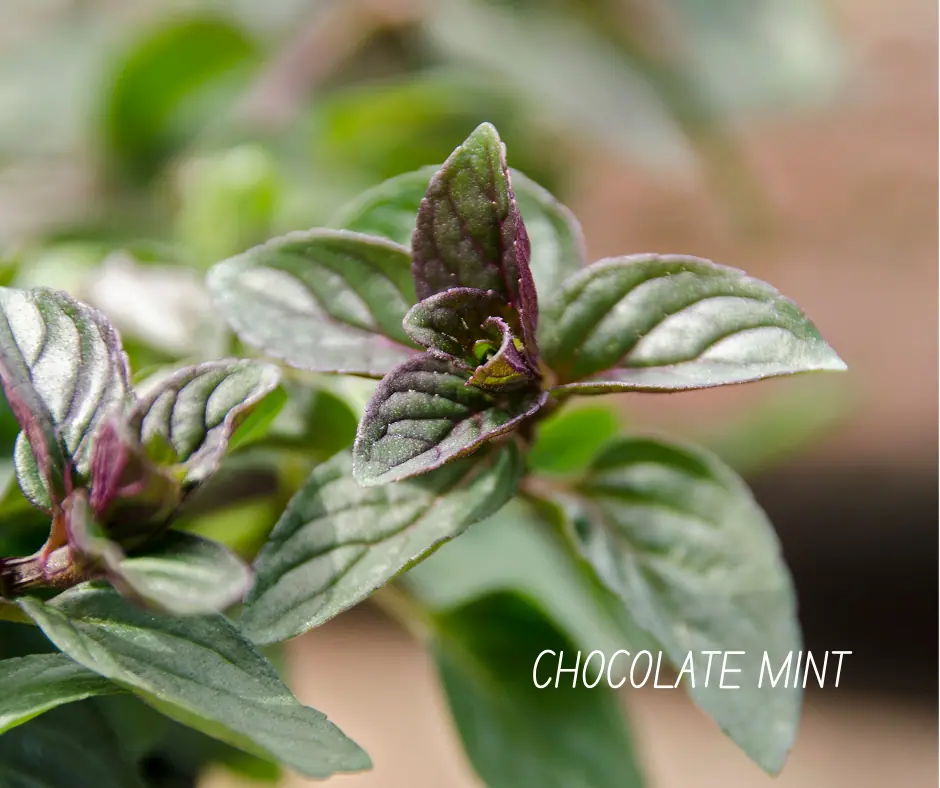
Snipping is A Good Thing
It may be a bit scary, but snipping helps your herbs thrive.
Herbs You Should NOT Pinch
Some herbs don’t benefit from pinching because of their growth patterns.
Parsley, along with other biennial herbs like cilantro and dill, does not benefit from pinching in the same way as basil or mint.
Instead of growing bushier when pinched, parsley sends up new leaves from its base. Removing the top growth can slow down its overall production.
For these herbs, the best method is to harvest from the outer leaves first, allowing the inner leaves to continue growing. Regular harvesting encourages more leafy growth while preventing early bolting (flowering), which can make the leaves bitter.
- Chives – Always cut at the base, not the top.
- Parsley – Harvest from the outer leaves first
- Cilantro – Harvest from the outer leaves first
- Dill – Harvest the outer leaves first
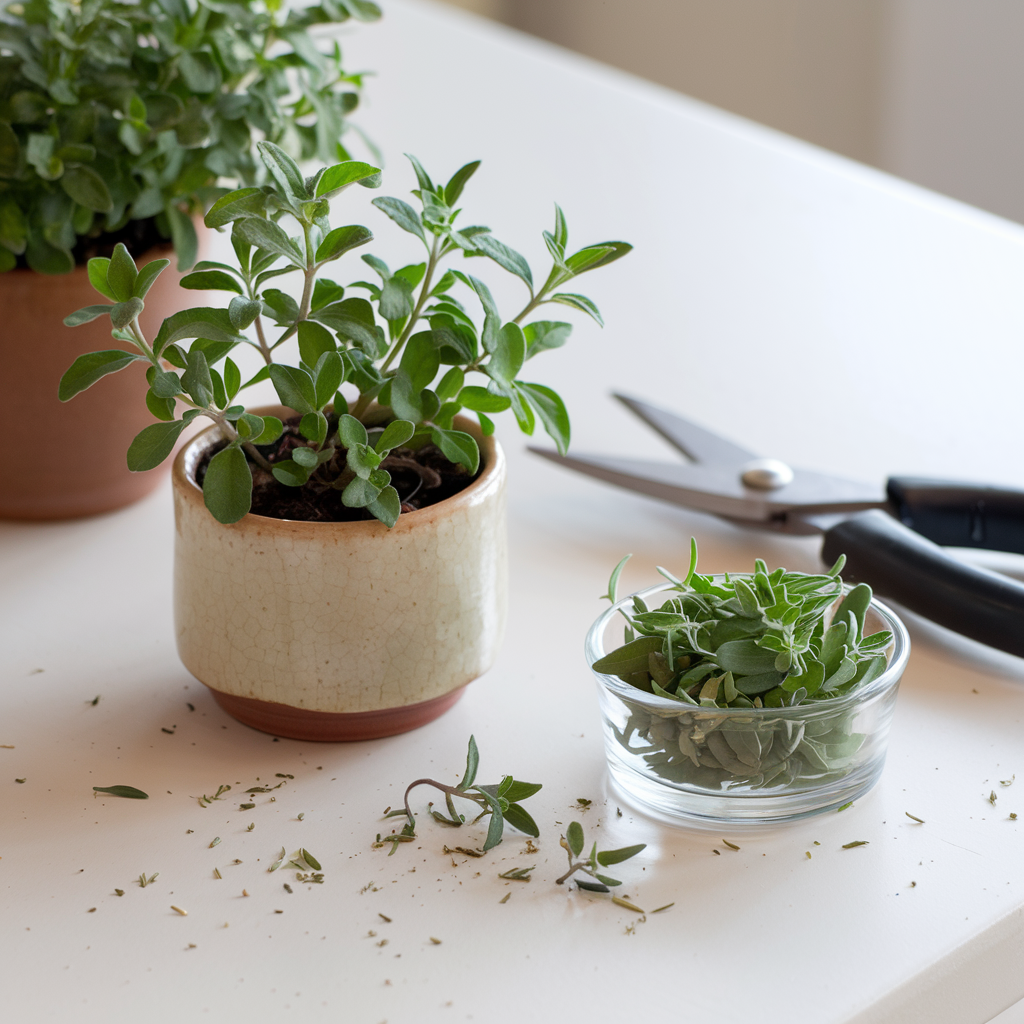
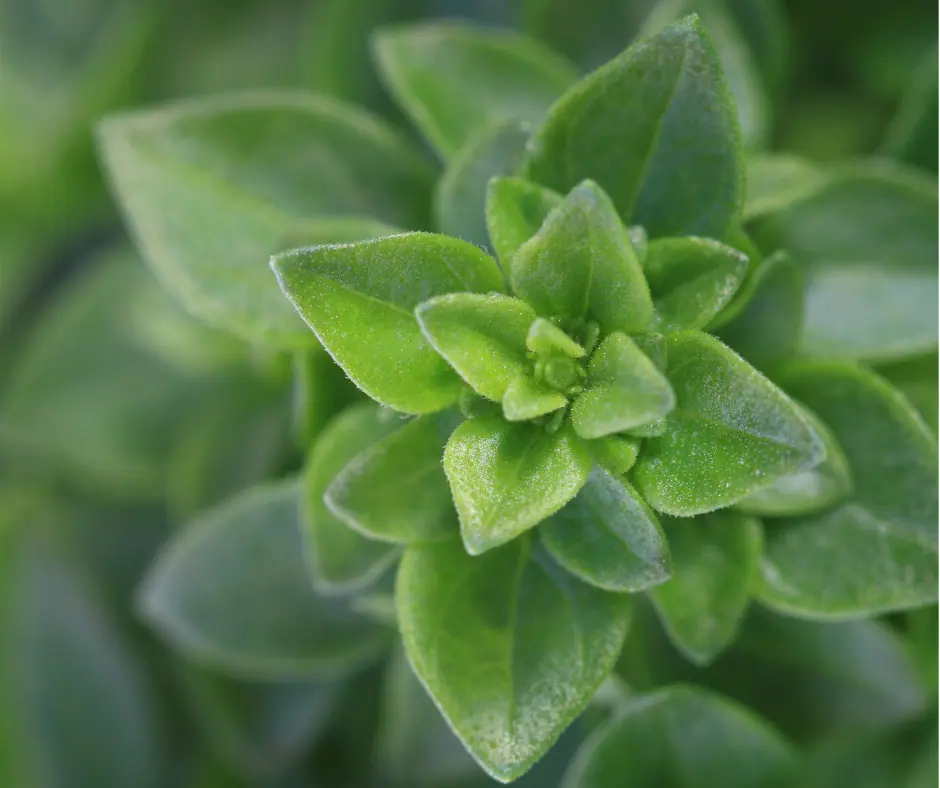
How to Pinch Herbs (Step-by-Step Guide)
Step 1: Find the Right Spot
Look at your herb plant and locate the topmost set of leaves on a stem.
Right below that, you’ll see a pair of baby leaves forming—this is where you should pinch.
Step 2: Pinch or Snip
You can do this with your fingers or with scissors:
- With your fingers – Use your thumb and index finger to gently pinch off the stem above the tiny leaves.
- With scissors – If the stem is woody or thick, use clean garden scissors to snip just above the baby leaves.
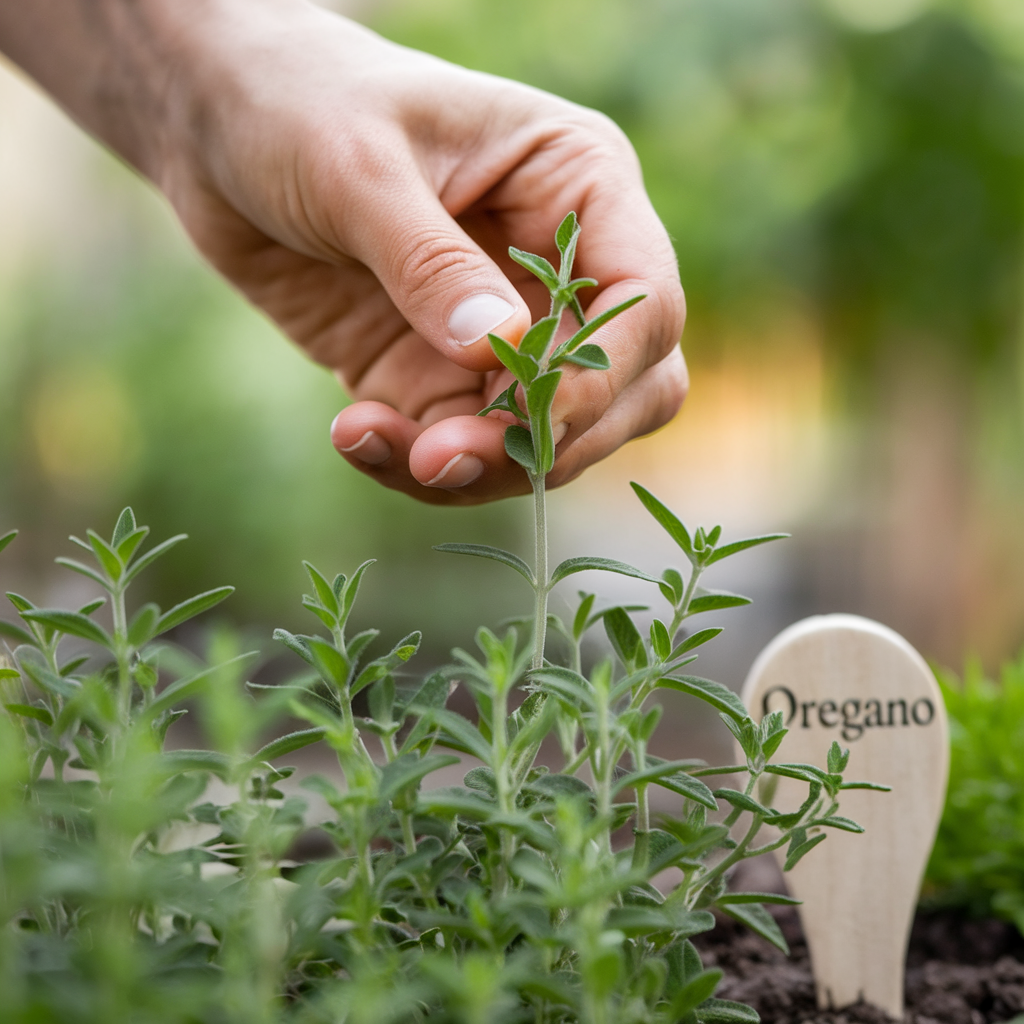
Step 3: Repeat Every Few Weeks
Once your herbs have at least four to six sets of leaves, they’re ready for regular pinching. Continue pinching every few weeks to maintain a bushy, productive plant.
Step 4: Remove Flowers Immediately
If flowers start forming, snip them off as soon as possible. Flowering tells the plant to stop producing leaves and shift its energy to making seeds.
Flowering tells the plant to stop producing leaves and shift its energy to making seeds.
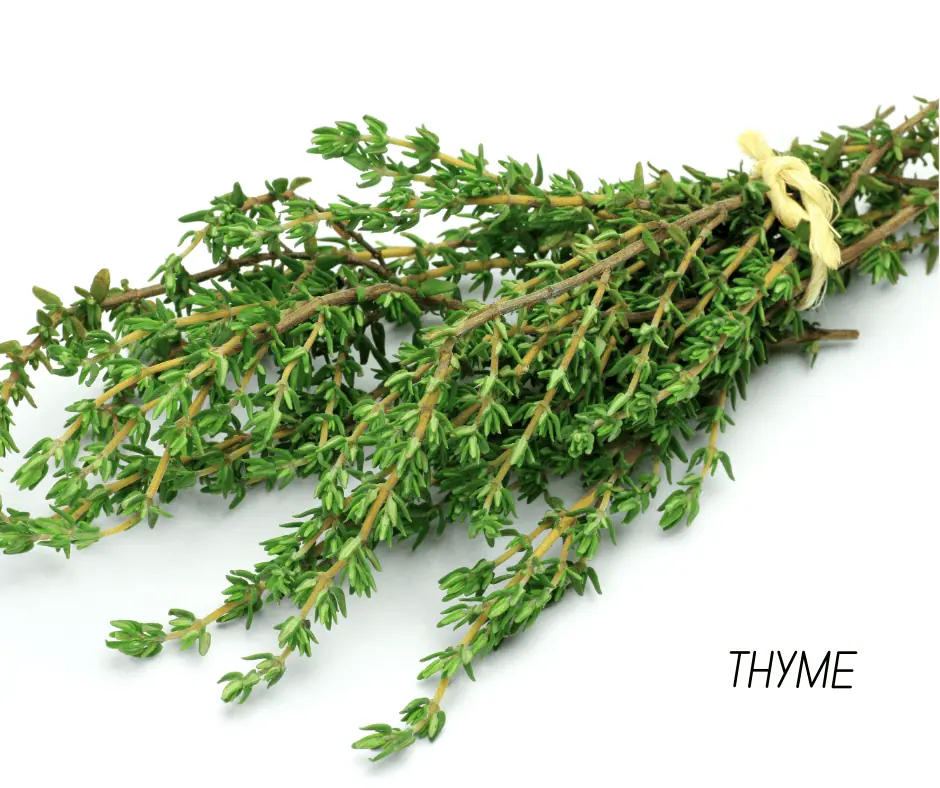
What to Do With the Pinched-Off Herbs?
Instead of throwing them away, use the freshly pinched leaves in:
- Pesto or herb-infused butter (basil, oregano)
- Salads and sandwiches (mint, cilantro)
- Herbal teas (mint, thyme)
- Dried seasoning blends (oregano, thyme)
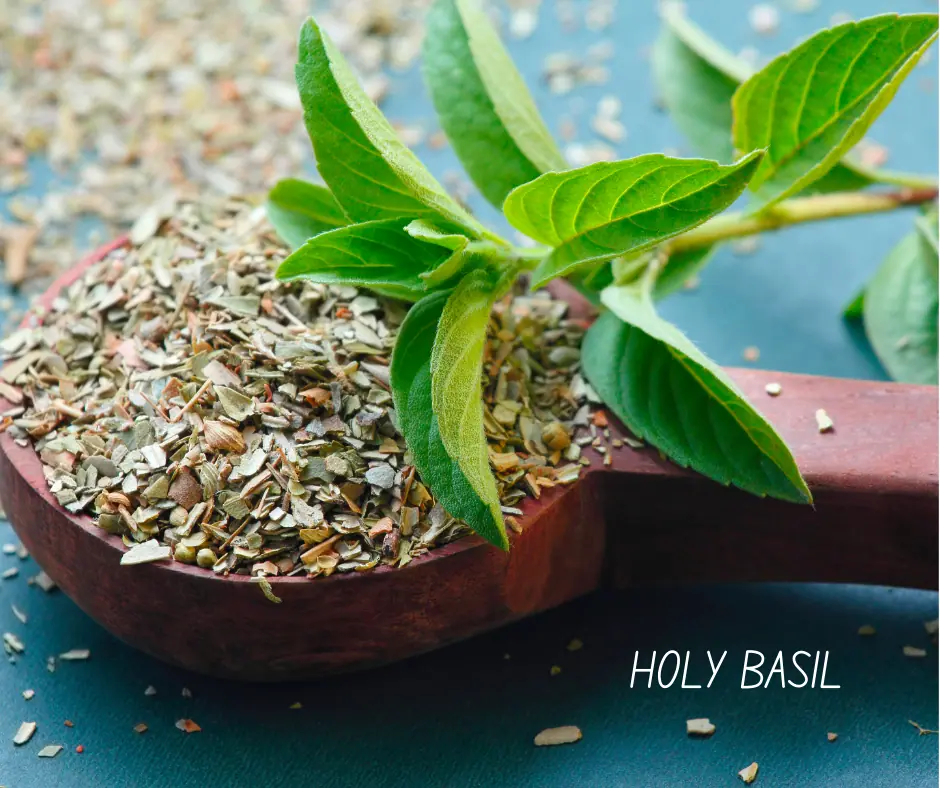
Troubleshooting: Common Pinching Mistakes
Even though pinching is easy, beginners sometimes make small mistakes. Here’s how to fix them.
“I pinched too much!”
Don’t worry—your plant will grow back. Just make sure to leave at least two sets of leaves so it can recover.
“My herbs are still growing tall and leggy!”
This may mean your herbs need more pinching or better sunlight.
✔ Pinch more frequently to encourage bushier growth.
✔Make sure your herbs get at least six hours of sunlight per day.
“I forgot to pinch my herbs, and now they’re tall and leggy!”
If you forgot to pinch and your herbs have grown tall with only a few leaves, don’t worry—you can still fix it.
✔ Pinch the top third of the plant to encourage side branching.
✔ If the plant is extremely tall, cut back by about half to force it to bush out.
✔ Provide plenty of light (at least six hours per day) to prevent legginess from happening again.
Even if you’re late to pinching, your herbs can still recover and grow fuller with regular maintenance.
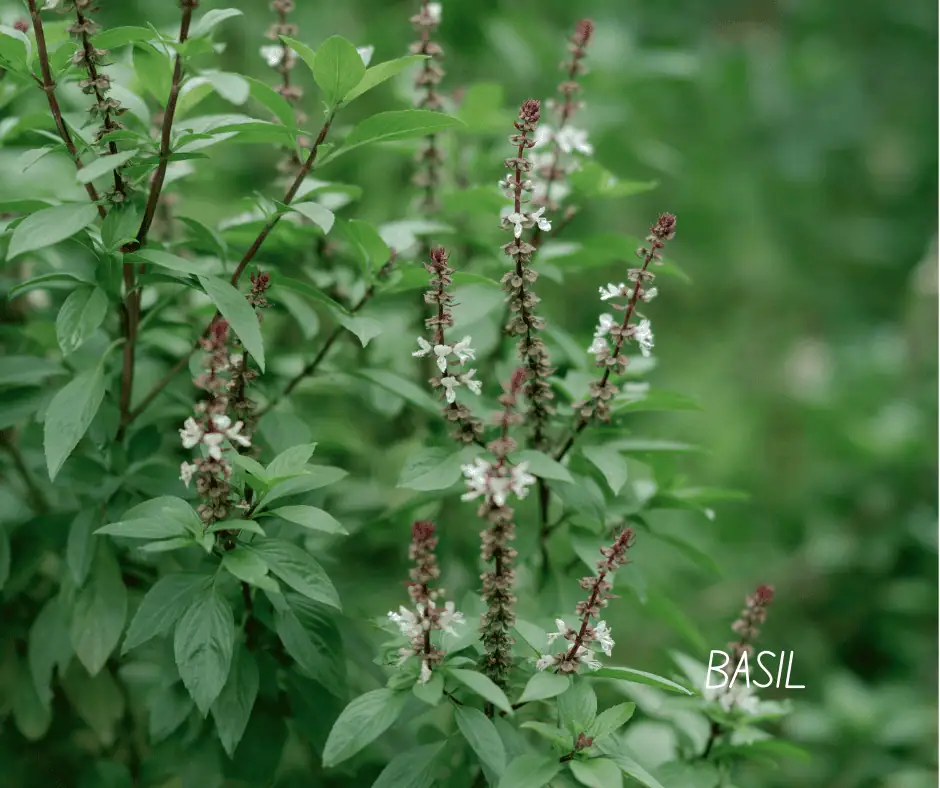
“My basil keeps flowering!”
Flowers mean the plant is shifting focus away from leaf production.
✔Check your basil regularly and remove flower buds before they bloom.
✔The more you harvest, the less it will flower.
How Often Should You Pinch or Snip Your Herbs?
| Herb | How Often to Pinch |
|---|---|
| Basil | Every one to two weeks or (as needed) |
| Mint | Every two weeks or (as needed) |
| Oregano & Thyme | Once a month or (as needed) |
| Cilantro | Harvest the outside leaves on a regular basis |
| Parsley | Snip the outside leaves on a regular basis |
Tips for Pinching or Clipping Herbs
- Start early – The sooner you begin pinching, the better your plants will grow.
- Use clean, sharp scissors – Clean cuts help prevent plant damage.
- Provide plenty of sunlight – This ensures strong, healthy growth.
- Avoid overwatering – Too much water can weaken the roots.
- Remove flowers quickly – This keeps your herbs focused on leaf production.
Your Herbs Will Love you For Pinching
Pinching herbs is one of the easiest ways to keep your plants healthy and productive. The more you pinch, the more your plants will grow—giving you a continuous supply of fresh herbs.
If you’re new to herb gardening, start small. Pick one herb (like basil or mint) and practice pinching it. Once you see the results, you’ll gain confidence to do the same with other herbs.
Frequesntly Asked Questions
How do i start my raised bed garden?

Start small with one or two raised beds. Choose a sunny location, use high-quality soil, and begin with easy to grow plants like lettuce, basil, or cherry tomatoes. Invest in basic tools and focus on learning the lessons from the garden.
What are the best vegetables to grow in a raised bed?

Raised beds are great for growing herbs, leafy greens (lettuce, kale, spinach), root vegetables (carrots, radishes, beets), and fruiting plants (peppers, tomatoes, strawberries).
What if I don't have a lot of space for a garden?

Even in a small area, you can grow plenty of herbs, vegetables, and fruits. Use vertical gardening (trellises), intensive planting, container gardening (pots) or square-foot gardening to maximize space.
What if im busy and don't have a lot of time?

If you set your garden up the right way and grow the right plants at the right time, you will lessen the time you spend tending your plants
I'm afraid of bugs. What should I do?

Not all bugs are bad! Beneficial insects like ladybugs and bees help your garden thrive. To keep pests away naturally, use companion planting (marigolds deter aphids), row covers. When you use sprays, they kill everything, not just what you don't like.
What should I do if my plants are struggling?

Check for watering issues, pests, soil quality, and sunlight levels. Yellow leaves often mean overwatering; dry, crispy leaves could mean underwatering. Check for pests and hand pick them off.
What should I plant?

Start with easy, quick growing, high-yield plants that fit your space and climate.
BECOME PART OF OUR GARDENING COMMUNITY!
Join
Urban Kitchen Gardens For Beginners: Grow Fresh Food In Small Spaces Facebook Group


