How to Start a Container Garden (with one pot, container or raised bed)
Want to know how to start a container garden?
You don’t need a backyard, expensive tools, or lots of time. You only need one sunny spot, one pot, and one plant you enjoy.
This step-by-step guide shows you how to start small and grow with confidence.
How to Start a Container Garden with One Pot
Start by choosing a spot that gets at least 6-8 hours of sun each day. The best places include balconies, patios, porches, or front steps.
Pick one easy plant. Some great beginner options are:
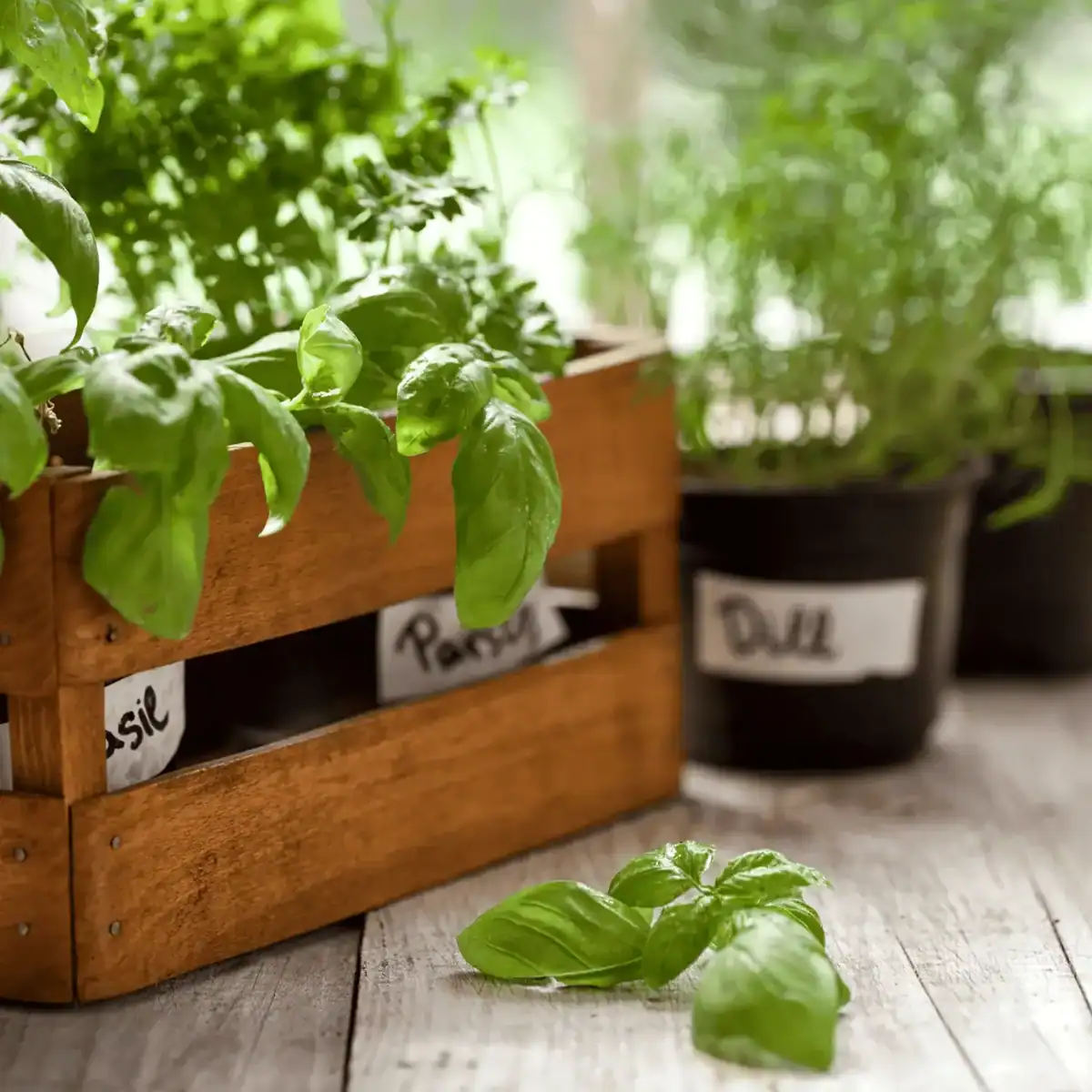
- Basil
- Lettuce
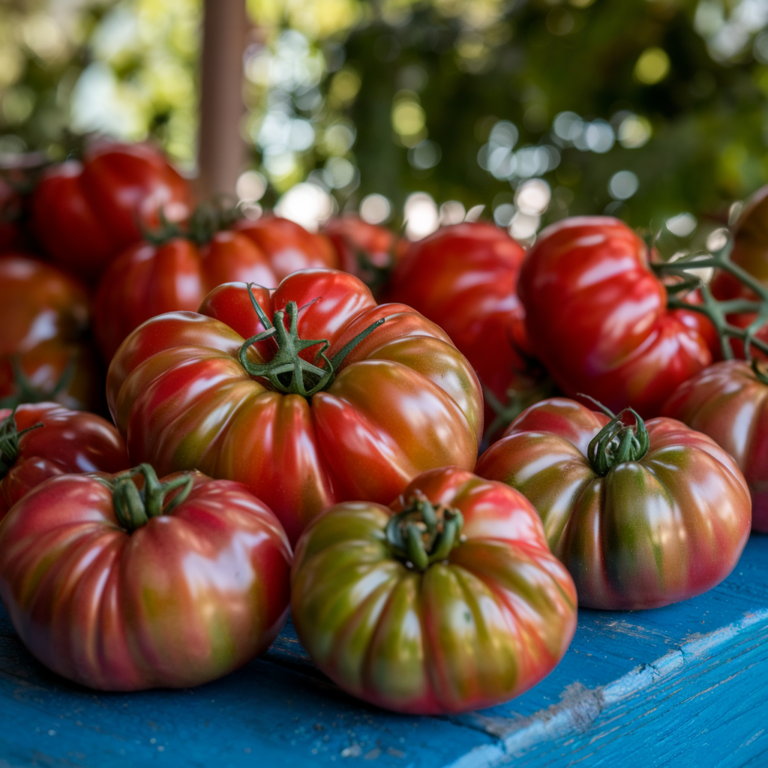
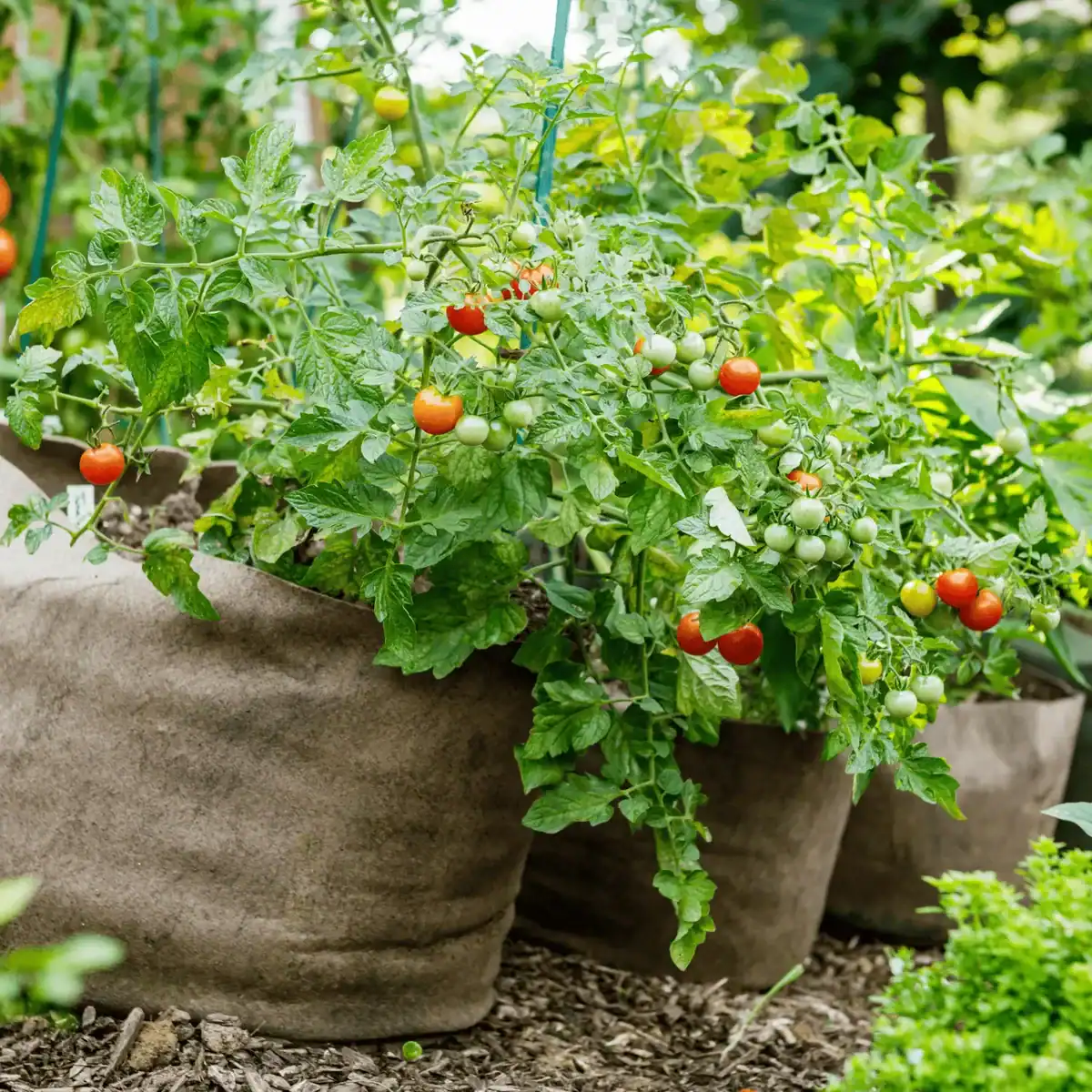
- Cherry tomatoes
These grow fast and are easy to care for.
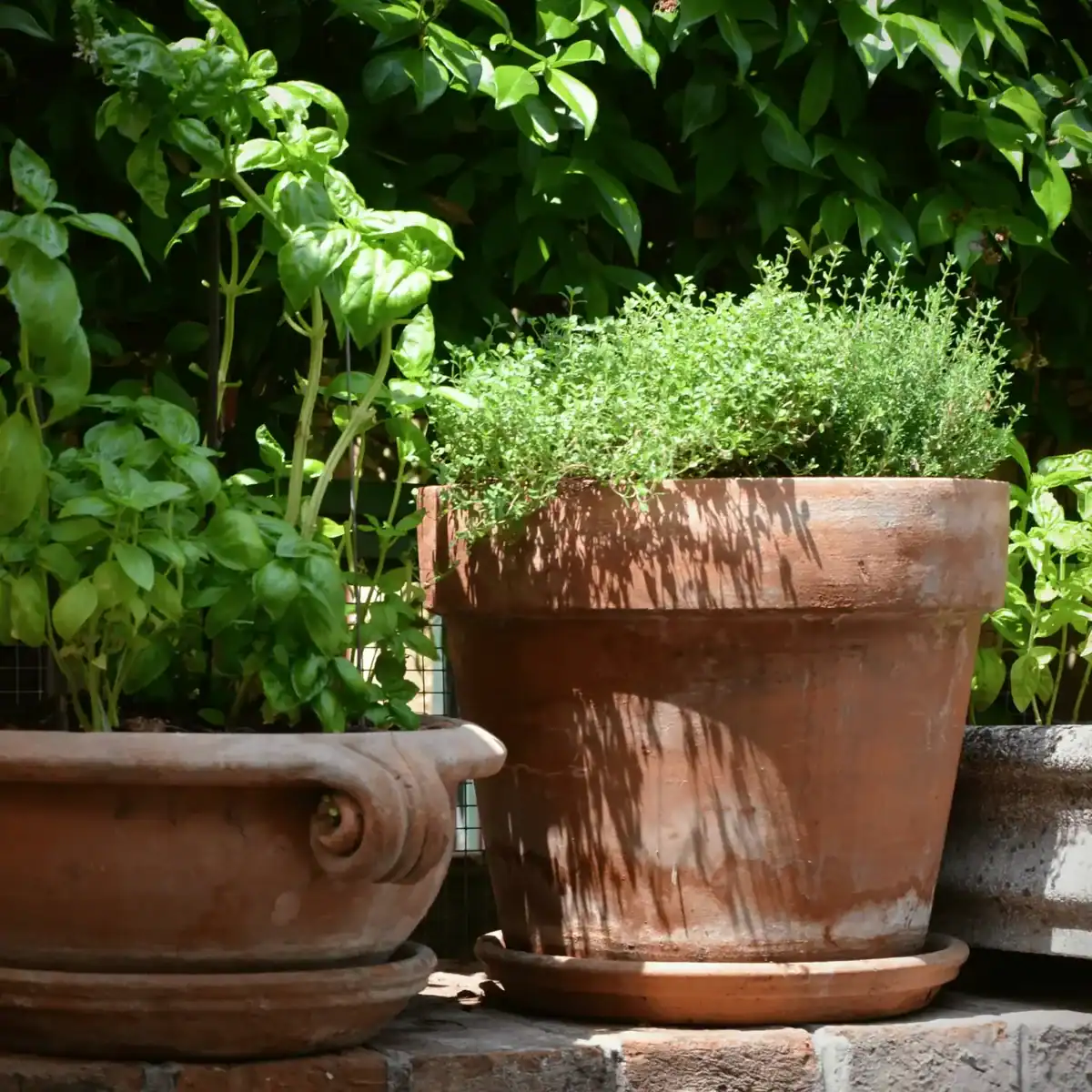
Use a container that’s at least 12-18 inches wide and has drainage holes at the bottom. You can use a plastic pot, clay pot, or fabric grow bag—anything that drains water and holds soil.
This one-pot setup helps you focus on learning without getting overwhelmed.

Use the Right Soil and Water the Right Way
Don’t use dirt from the ground—it’s too heavy and may hold too much water. Choose an organic potting mix made for containers. It helps roots breathe and keeps your plant healthy.
To know when to water, gently stick your finger about an inch into the soil. If it feels dry, it’s time to water. If it still feels damp, wait another day.
When you water, do it slowly until you see water coming out of the holes at the bottom of the pot. If your pot sits in a tray or saucer, pour out any water that collects there after 10–15 minutes. This keeps the roots from sitting in water and getting damaged.

get you free checklist!
Your email is safe with us — we’ll only send helpful garden tips and updates, never spam. Unsubscribe anytime. Come back whenever you'd like.
Feed your garden Sunlight and Pay Attention Daily
Most edible plants need 6 to 8 hours of direct sunlight. Rotate the pot every few days so all sides get light evenly.
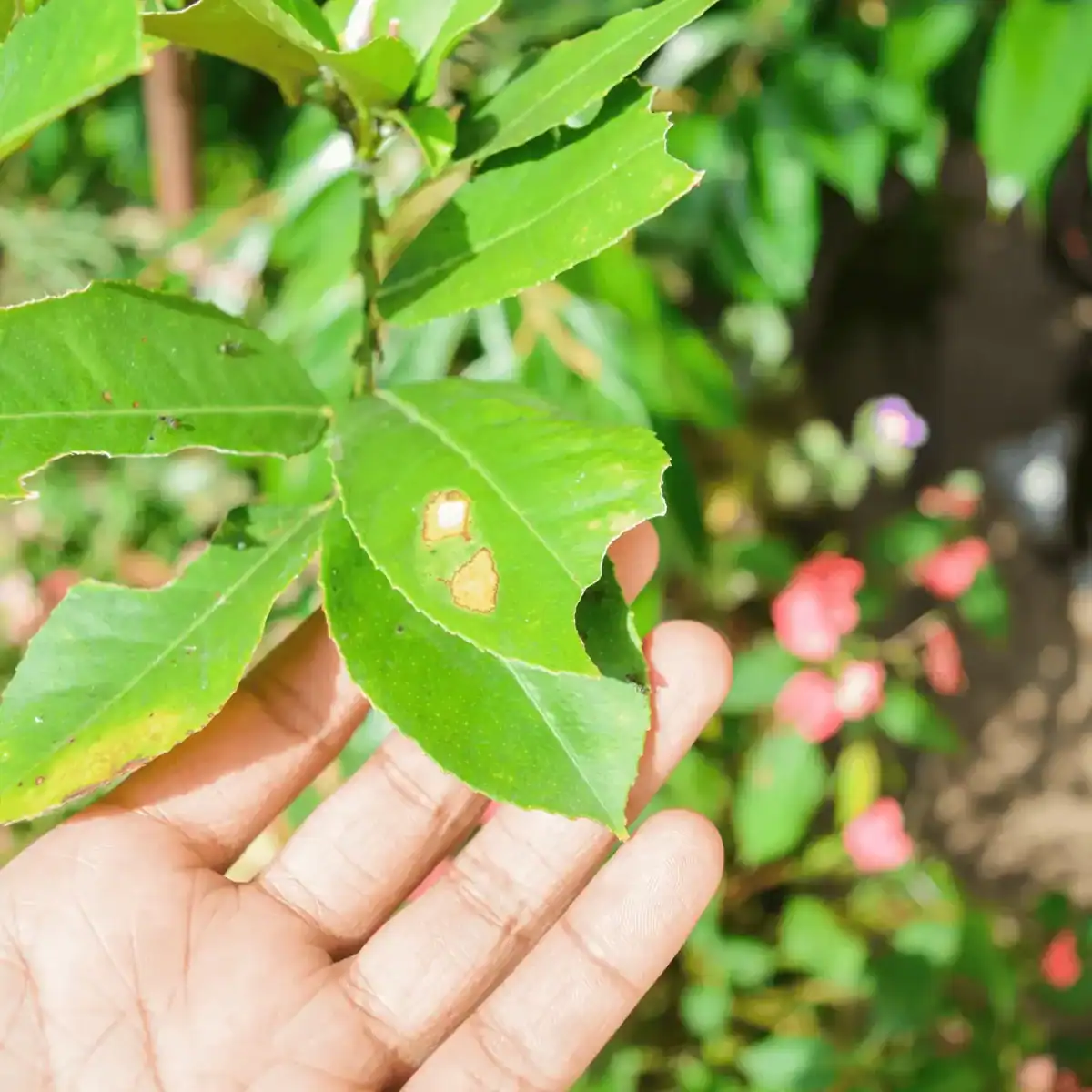
Check your plant every day. Look at the leaves. Are they green and healthy? Or are they turning yellow, curling, or spotted?
Also check for signs of:
- Disease (like discolored or soft spots)
- Damage (like torn leaves or broken stems)
- Pests (like holes in leaves or tiny bugs on the plant)
Catching problems early helps you fix them fast—before they spread. These daily check-ins help you learn what your plant needs, what healthy growth looks like and develops your “gardener's eye”.
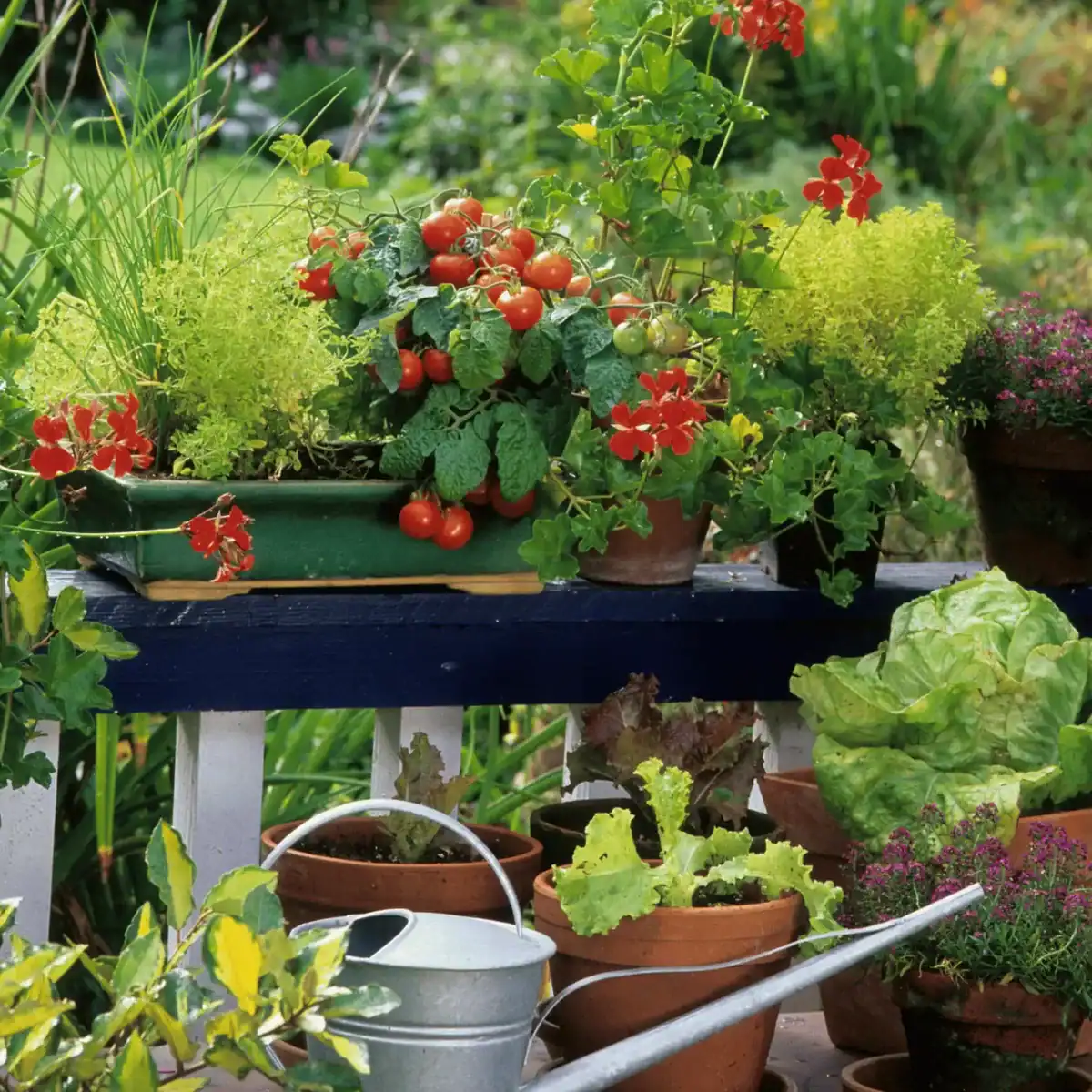
Add More Pots Only When You’re Ready
Once your first plant is growing well—healthy leaves, steady growth, and a little harvest—you’ll know it’s time to try more.
Start by adding just one more pot. Choose something different:
- A leafy green like spinach or kale
- A second herb you often use, like parsley or chives
- A flower that attracts bees, like marigold or nasturtium
Each new plant teaches you something new. Some need more water. Others need less sun. Some grow fast. Others take their time.
The key is to grow slowly and pay attention. Don’t feel like you have to fill the whole porch or balcony right away. A few well-cared-for pots will teach you more than a dozen neglected ones.
This is how to start a container garden in a way that fits your life—not overwhelms it.
get you free checklist!
Your email is safe with us — we’ll only send helpful garden tips and updates, never spam. Unsubscribe anytime. Come back whenever you'd like.
Common Questions About Container Gardening
Do I need to use fertilizer?
Yes. Use an organic slow-release fertilizer every 4–6 weeks. It feeds the plant gradually over time.
What if my space only gets 3–4 hours of sun?
Try leafy greens like spinach, arugula, or lettuce. They can grow in less light.
Can I grow herbs indoors?
Yes—if you have a bright, sunny window that gets several hours of light daily. Basil, parsley, and mint all do well indoors.
How big should the pot be?
Start with a pot that’s at least 10–12 inches deep. Bigger is better for larger plants like tomatoes.
Final Thoughts: You Can Start Small and Still Grow Big
Starting a container garden doesn’t have to be complicated.
You don’t need an acre of land, fancy tools, or a full plan. You just need one pot, one plant, a sunny spot, and water.
That first pot will teach you more than any book or blog.
You’ll learn:
- How to notice when a plant is thirsty
- What healthy leaves look like—and what warning signs to watch for
- That plants grow slowly at first, then all at once
- That checking on your garden every day builds trust with yourself
You’ll make small mistakes—and they’ll teach you even more.
Maybe you’ll overwater once. Or forget to turn the pot. Or miss a few bug holes. That’s part of it.
You’ll fix it, try again, and learn what works.
Gardening isn’t about getting it perfect. It’s about paying attention.
About noticing new leaves. About harvesting that first handful. About trying again next season with a little more confidence.
Start small. Let your garden grow slowly—just like you.
Because with each pot, you’re growing more than just food.
You’re growing presence, patience, and something amazing to be proud of.
Helpful Resources
get you free checklist!
Your email is safe with us — we’ll only send helpful garden tips and updates, never spam. Unsubscribe anytime. Come back whenever you'd like.