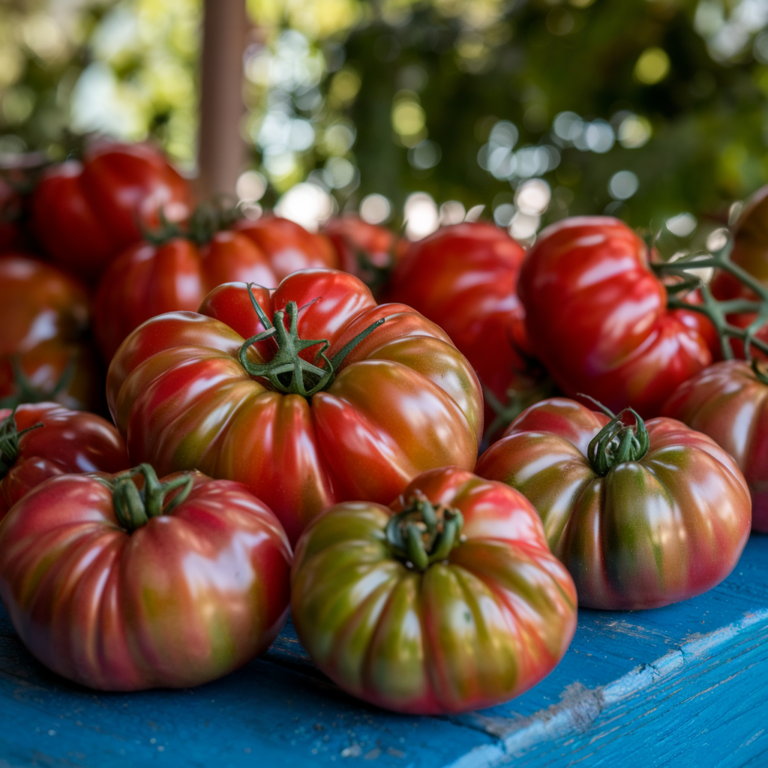

Understanding Frost Dates | Knowing When It’s Safe to Plant
Frost dates signal the beginning and end of planting for warm season crops.
Your last frost date signals when it is usually safe to plant crops like tomatoes, peppers, and cucumbers outdoors. Even then, it helps to stay alert and be ready to cover plants if a cold night shows up unexpectedly.
Your first frost date signals when those same plants are likely to slow down or be damaged by cold.
You may have heard the term frost date but never felt sure how it applies to your garden.
Let me explain.
Have you ever wondered when it is actually safe to plant tomatoes, peppers, or basil, or why they struggled even though you watered them and used good soil? This is where frost dates become useful.
Plants grow well when they are planted at the right time, and they struggle when they are planted too early or too late.
What Frost Dates Actually Tell You
Frost dates describe the risk of freezing temperatures.
- The last frost date is the average date in spring when frost is no longer expected.
- The first frost date is the average date in fall when frost is expected again.
These two dates create a clear boundary for warm season planting.


Warm Season Planting Explained
Warm season plants need warm soil and mild nights to grow properly. They are damaged by frost and struggle in cold soil.
Frost dates help you identify the window when these plants can thrive outdoors without the risk of frost.
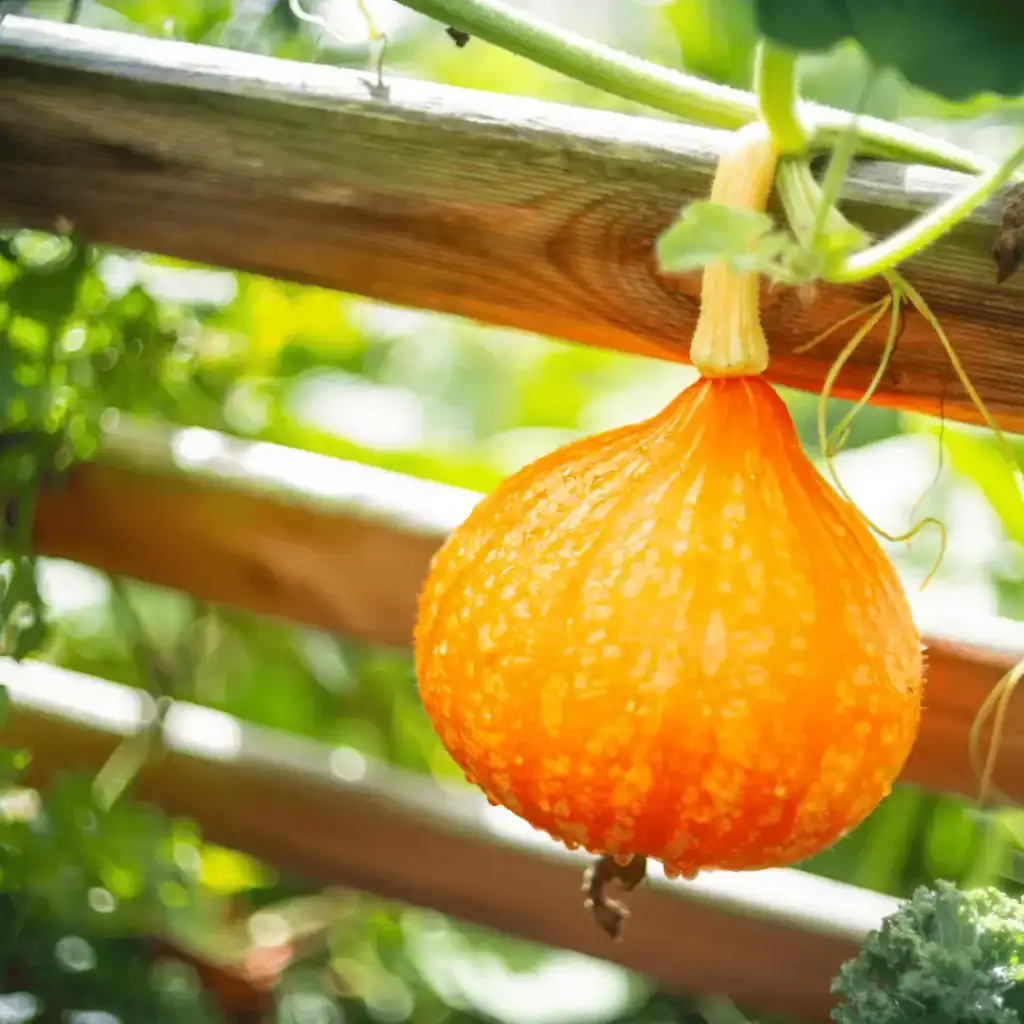
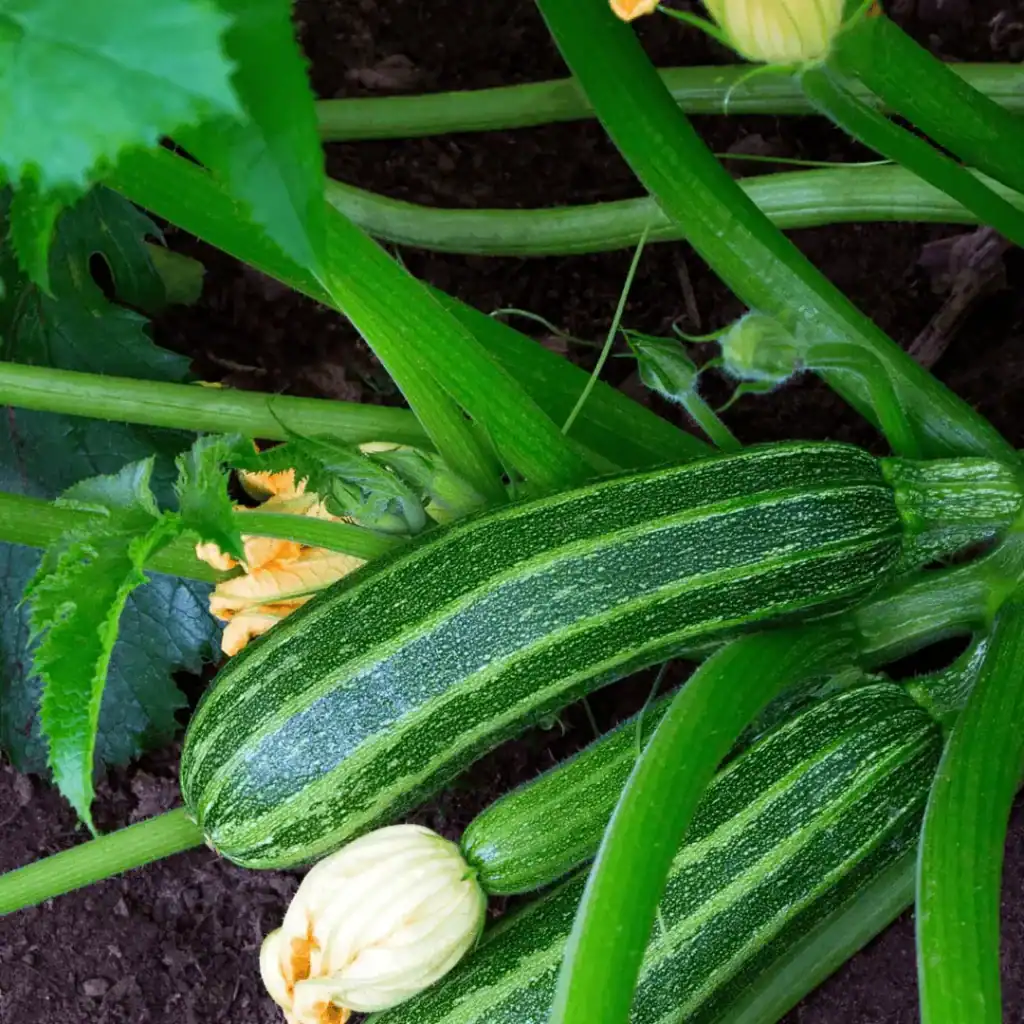
This includes crops like: tomatoes, peppers, cucumbers, squash, zucchini, beans and basil.
Your warm season planting window begins after the last frost date and ends before the first frost date.
Example of Last and first Frost Date
For example, a last frost date of April 15, 2025 signals that the cold months of late fall through early spring have passed. Because this date is an estimate, frost can still occur after April 15, so it is important to watch local weather forecasts and be prepared to protect plants with frost cloth or another cover if needed. To reduce risk, waiting until the end of the month to plant warm weather crops helps ensure they are planted after the danger of frost has passed.
For example, a first frost date of October 10, 2026 signals that cold nights are approaching and warm-weather plants are nearing the end of their growing period. Because this date is an estimate, frost can arrive earlier or later, so it is important to watch local weather forecasts and be prepared to cover plants if needed. As this date approaches, warm-weather crops like tomatoes, peppers, and basil are likely to slow down or be damaged by cold, making it a good time to focus on harvesting and protecting what remains.
How Frost Dates Help You Avoid Common Warm Season Mistakes
Many warm season planting problems come down to timing, not care.
Frost dates help you avoid planting warm season crops when conditions are not ready or when the season is already winding down. They explain why tomatoes stall in cold spring soil, why peppers struggle when nights stay cool, and why plants planted late may grow leaves but never produce well.
By using frost dates as boundaries for warm season planting, you give crops the conditions they need to establish roots, grow steadily, and set flowers and fruit at the right time. This is not about planting on a specific day. It is about planting within the window when warm season plants are built to grow.
Why Warm Season Plants Struggle When Planted At The Wrong Time
| When planting happens | What the plant experiences | What you see in the garden |
|---|---|---|
| Too early (before frost risk has passed) | Plants struggle. Cold soil and cool nights slow root growth and nutrient uptake | Plants survive but grow slowly, look pale, or stall for weeks |
| Too late (as extreme heat sets in) | High heat interferes with flowering and stresses the plant | Flowers drop, fruit fails to set, or harvests are poor |
| Within the frost-date window | Soil and air temperatures support steady growth | Plants establish well, flower normally, and produce reliably |
How Frost Dates Help With Planning
Knowing your frost dates helps you:
- Decide when to plant warm season crops outdoors
- Know when warm season growth is naturally ending
- Plan protection if frost arrives early
- Understand why growth changes through the season
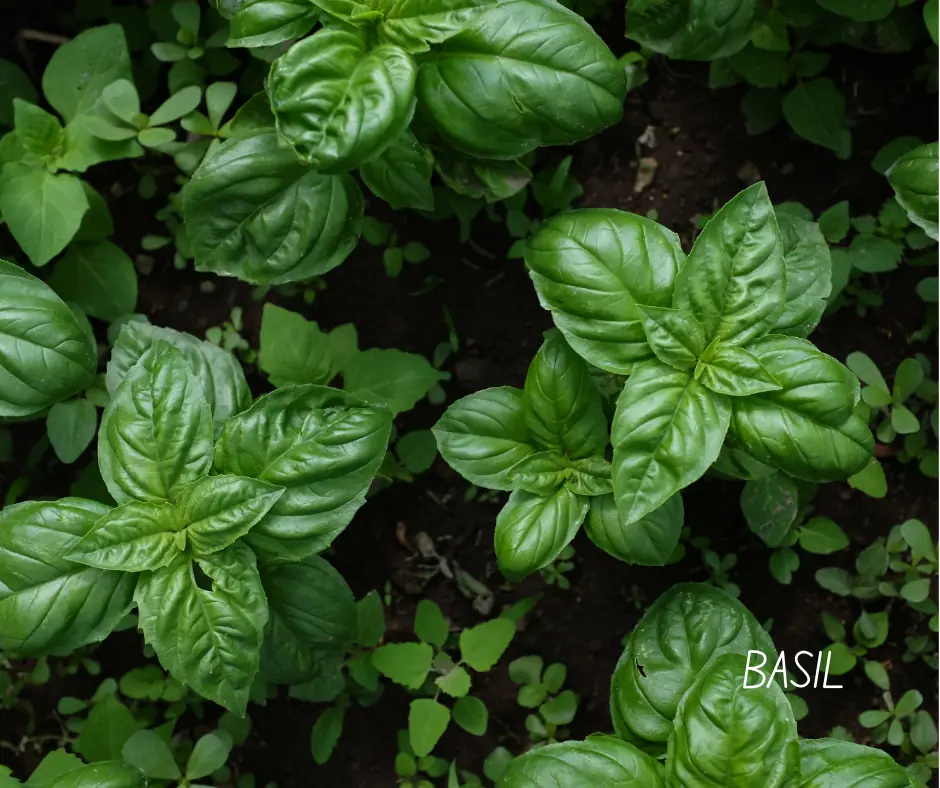
Frost dates give you boundaries within which to safely grow plants that love warm temperatures.
Raised Beds and Containers
Raised beds and containers are common ways to grow food, especially in small spaces like patios, balconies, and small yards.
Frost dates guide planting decisions in these gardens just as they do anywhere else. Even though soil in raised beds and containers often warms earlier in spring, plants are still exposed to cold air at night, and temperature drops affect leaves and stems before the soil.
Because plants in raised beds and containers are elevated and less insulated, cold nights can stress young plants even when days feel warm.
This stress can slow growth, damage tender tissue, or set plants back for weeks, sometimes without visible frost.
Frost dates help you recognize when warm weather plants like tomatoes, peppers, and basil are more likely to grow steadily instead of struggling.
They also help you know when to stay cautious early in the season and when simple protection, like covering plants overnight, may still be needed. In raised beds and containers, this understanding lets you use early soil warmth wisely without putting plants at unnecessary risk.
Are you ready to start your first container garden? Download my free 8-Step Garden Checklist. I walk you through the setup so you can start strong.

Start your garden with confidence. Get the free Beginner’s Raised Bed Checklist and grow fresh food right outside your door.
Start your garden with confidence.
Your email is safe with us — we’ll only send helpful garden tips and updates, never spam. Unsubscribe anytime. Come back whenever you'd like.
Reflection
Plants grow within specific temperature ranges. Warm season plants respond when soil warms and nights soften. Frost dates help us recognize those natural signals. When planting aligns with those signals, growth follows a predictable pattern.
Understanding frost dates is not about planting everything at once. It is about knowing when warm season planting truly begins and when it naturally comes to a close.