

17 easy Ways to Prepare Your Garden for Winter (That Most Gardeners Overlook)
Quick Summary
Preparing your garden for winter is not about clearing things away, but about letting nature rest. By leaving leaves, protecting soil, and protecting life throughout the cold months, you help your garden regenerate naturally and in peace. These 17 thoughtful steps invite patience, balance, beauty, and renewal for the garden and the gardener through the quiet season.
Key take away
To prepare your garden for winter, focus on protection and rest rather than cleanup. Traditional cleanup means raking away leaves and pulling up dead plants, but those materials actually shelter insects and enrich the soil. Leave the leaves, add mulch, plant hardy crops, clean your tools and help wildlife to stay in their habitat. These quiet actions help your garden rest now and awaken strong in spring.
To prepare your garden for winter, think less about cleaning and more about caring.
Traditional cleanup means clearing every leaf and stem, but true preparation is about protection and letting the garden rest under its natural cover. Leave the leaves, feed the soil, plant a few hardy crops, and tidy only where you must. When you prepare with gentleness instead of perfection, your garden will return stronger, richer, and more alive in spring.
Your neighbors may notice the leaves you leave behind, but in time, they may also appreciate your vision, a garden that welcomes life instead of sweeping it away. As autumn deepens and the air cools, your space begins to rest.
These often-overlooked steps help you tend your garden with peace, gratitude, and beauty, turning winter preparation into an act of renewal.

1. Walk Your Garden Slowly
Before you lift a single tool, pour yourself a cup of herb tea (straight from your garden), take a slow, mindful walk through your garden.
It slows you down in the best way. Even though life stays busy and to-do lists never end, this small pause lets you breathe with your garden for a moment
Notice what has changed: the height of your kale, the golden tone of the marigolds, the seed heads standing tall against the wind. You may find small surprises: a late bloom, a hidden pepper, a ladybug sheltering beneath a leaf.
This quiet walk helps you see your garden as it is now, not just what it was in summer. It sets the tone for a gentler kind of winter preparation, one rooted in observation and gratitude and joy.
2. Leave the Leaves
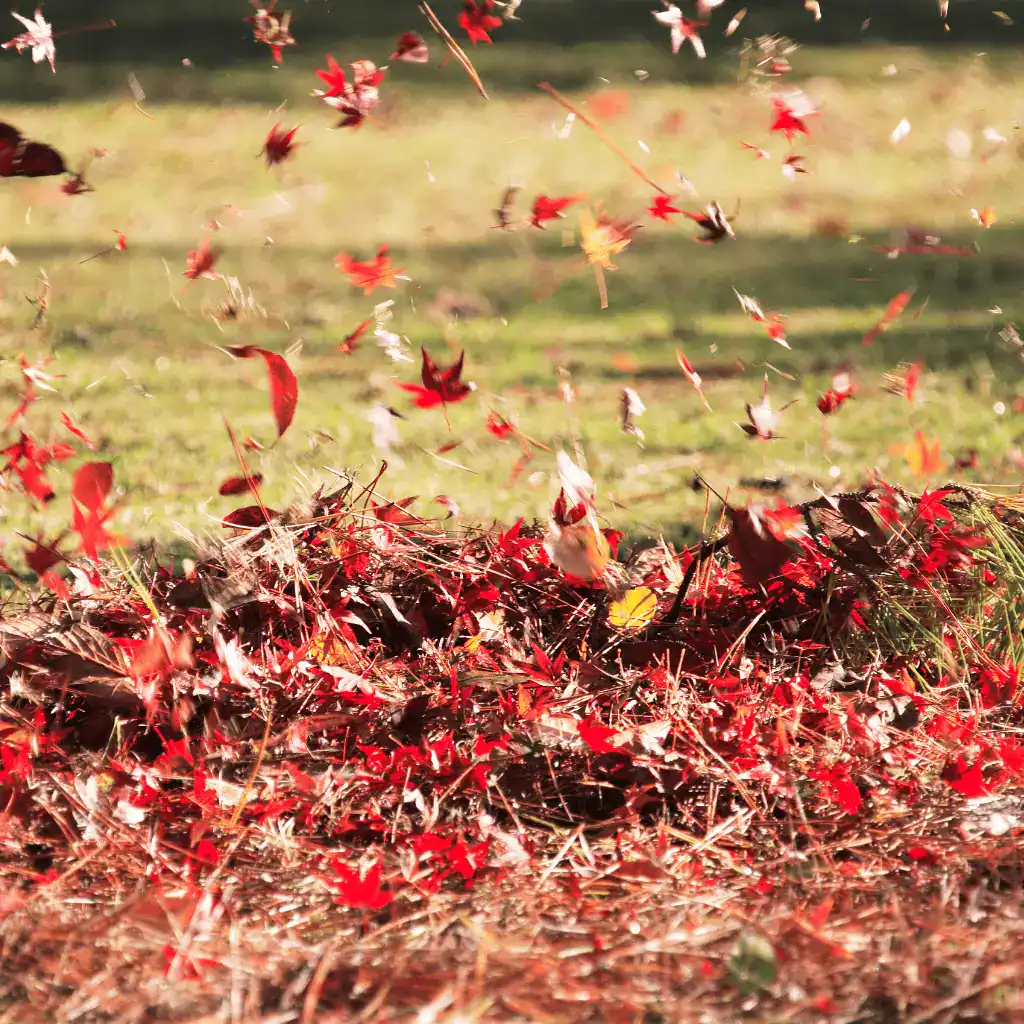
Leave the leaves where they fall.
It may look messy at first, but be aware that beneath that soft blanket, life continues. Butterflies, bees, and beetles take shelter there through the cold months, and as the leaves slowly break down, they enrich the soil beneath them.
Think of it this way: nature does not rake.
Each leaf has a purpose, protecting roots, holding moisture, and creating warmth for the life below. On walkways or lawns, you can gather leaves and spread them around raised beds, under shrubs, or in the compost pile.
But mostly, just simply let them be.
When you choose to leave the leaves, you’re allowing your garden to rest and renew naturally, working with the rhythms of the season instead of against them.
3. Clean Up, But Not Too Much
It is tempting to clear everything away once the growing season ends, but most things should stay.
Every stalk, seed head, and fallen petals has a purpose. Birds eat the seeds that remain. Ladybugs and lacewings rest inside hollow stems. Pollinators and earthworms curl up in the leaf litter, waiting for warmer days.
Practice what I call thoughtful tidying.
Remove only what is diseased or pest-infested, but let healthy growth stand where it is. Continue to snip and harvest herbs through the season., and leave a few seed heads for the birds.
Your garden does not need to look perfect to be healthy. A little wildness, a few standing stalks, flowerheads and a drift of leaves, all add to the beauty. What may look messy to you is life sustaining for insects and wildlife.
4. Add a Blanket of Mulch
Before the ground freezes, spread a soft, protective layer of leaf or mushroom compost, earthworm castings and mulch.
Compost, straw, shredded leaves, or wood chips all work beautifully. This gentle cover keeps the soil from drying out, protects roots from temperature swings, and prevents erosion during heavy rains.
There is no need to pull every weed or disturb the soil. Simply lay the mulch on top of what is there. Over winter, nature will do the work for you, softening roots, breaking down organic matter, and inviting earthworms to mix everything quietly beneath the surface.
Protective tidying is one of the simplest acts of care you can give your garden.
It holds warmth, builds fertility, and gives the space a calm, finished look. In spring, when you pull back that layer and find rich, living soil beneath, you will know that stillness and rest have done their work.


5. Protect Tender Plants
Some plants need a little extra protection to make it through winter.
Herbs like rosemary and thyme, young citrus, or container-grown perennials are sensitive to frost and freezing temperatures. Wrap them in breathable frost cloth or burlap to protect them from cold winds and sudden freezes.
If you garden in containers, move your pots close to the house. The walls hold warmth and create a small pocket of shelter. For herbs and greens that stay in raised beds, build a simple frame from wire hoops or lightweight PVC pipe and drape row cover fabric over it. This small structure holds just enough heat to help plants rest safely through the cold.
Protecting your tender plants is like tucking them in for the season. It is a quiet promise that they will return strong and green when spring sunlight finds them again.
Are you ready to start your first container garden? Download my free 8-Step Garden Checklist. I walk you through the setup so you can start strong.

Start your garden with confidence. Get the free Beginner’s Raised Bed Checklist and grow fresh food right outside your door.
Start your garden with confidence.
Your email is safe with us — we’ll only send helpful garden tips and updates, never spam. Unsubscribe anytime. Come back whenever you'd like.
6. Harvest the Last Gifts
Before the first hard frost arrives, walk through your garden and gather what remains.
Pick green tomatoes and let them ripen indoors. Collect a few last peppers or a handful of herbs. Pull small carrots and beets hiding beneath the soil.
Each harvest at this time of year feels precious because you know it is almost the last.
Arrange what you gather in a bowl on your kitchen counter and enjoy the colors for a few days before cooking with them. The sight alone is a small reminder of how generous the garden has been.
Harvesting at the end of the season is not about gathering everything. It is about gratitude. Take only what you need, and leave the rest for birds and insects who are preparing for winter too.
7. Sow Cover Crops or Winter Greens
If the soil is still workable, sow seeds that protect and feed it through the cold months.
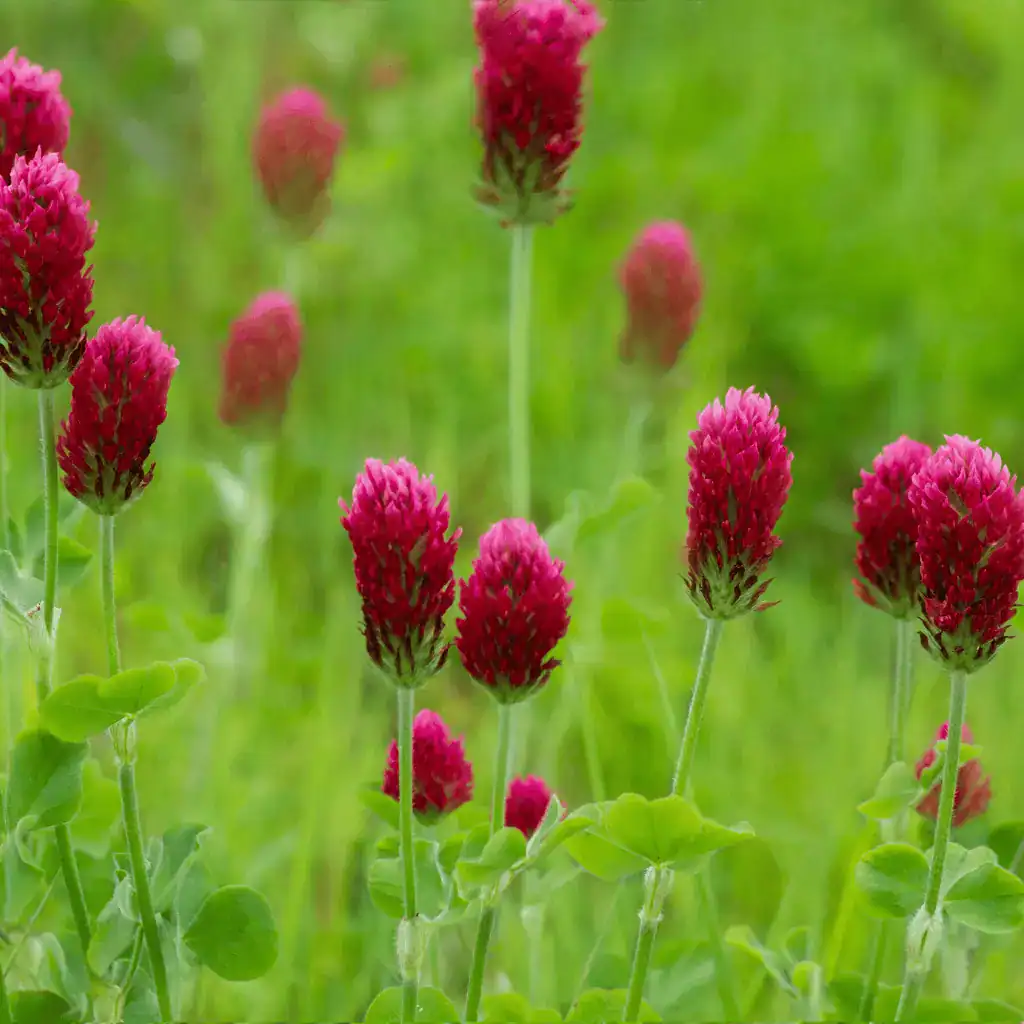
Winter rye, clover, and oats make excellent cover crops. They prevent erosion, hold nutrients in place, and feed the soil when turned under in spring.
If you prefer to keep something edible growing, plant hardy greens like spinach, kale, or mache. In mild climates, these crops continue to grow slowly all winter. In colder regions, they rest quietly under mulch and begin again when the weather warms.
Sowing cover crops or winter greens is an act of generosity toward the earth. While everything else sleeps, the soil continues to heal and strengthen beneath the surface.
8. Plant Bulbs and Winter Vegetables
Before the ground freezes, tuck a few bulbs and seeds into the soil.
Plant tulips, daffodils, or alliums for early color next spring. Add hardy crops like garlic, collards, kale, and snow peas. These strong plants settle quietly through the cold and reward you with fresh growth as soon as the days begin to lengthen.
A light frost can even make some vegetables taste sweeter.
Collards and kale become richer and more tender after a few cold nights, as the plants turn starch into sugar for protection. These small changes are part of the quiet magic that happens when you let the garden move naturally through the seasons.
Planting in autumn feels like planting hope.
You are creating beauty and nourishment that will greet you when winter finally loosens its hold. Even in the chill of late autumn, the garden keeps working softly beneath the surface.

9. Empty and Store Pots
Remove summer soil from your containers and brush them clean.
Clay and ceramic pots can crack in freezing weather, so keep them dry and under cover. Stack them neatly in a shed, garage, or corner of the porch where they will stay protected.
If you have decorative pots you want to leave outside, make sure they are frost-safe and have good drainage. A small layer of mulch inside each pot can prevent cracking by cushioning the soil as it freezes.
Tidying up your pots is not busywork.
It brings a sense of order to the garden and makes spring planting feel fresh and easy. Even small acts of care like this help the garden rest well through winter.
10. Drain Hoses and Watering Cans
Detach hoses, empty them completely, and coil them loosely before storing. A small bit of water left inside can freeze and cause cracks. Turn off outdoor faucets if your climate requires it. Empty watering cans too, and place them upside down in a dry spot to prevent rust.
Taking these few minutes now saves you trouble in spring. When the thaw arrives, you will be ready to water your new seedlings without leaks, cracks, or replacements.
It may seem like a small task, but small tasks are what keep a garden healthy, and you, the gardener prepared, year after year.

11. Clean and Oil Garden Tools
Before you hang up your tools for the season, give them care:
- Rinse off soil with water or a stiff brush.
- Soak rusty parts in a mix of vinegar and water for 30 minutes, then scrub gently.
- Dry completely and wipe with oil (vegetable or mineral) to prevent rust.
Clean tools are safer, sharper, and last for years. This small ritual feels almost meditative — a quiet way to close the season with gratitude.
12. Save Seeds
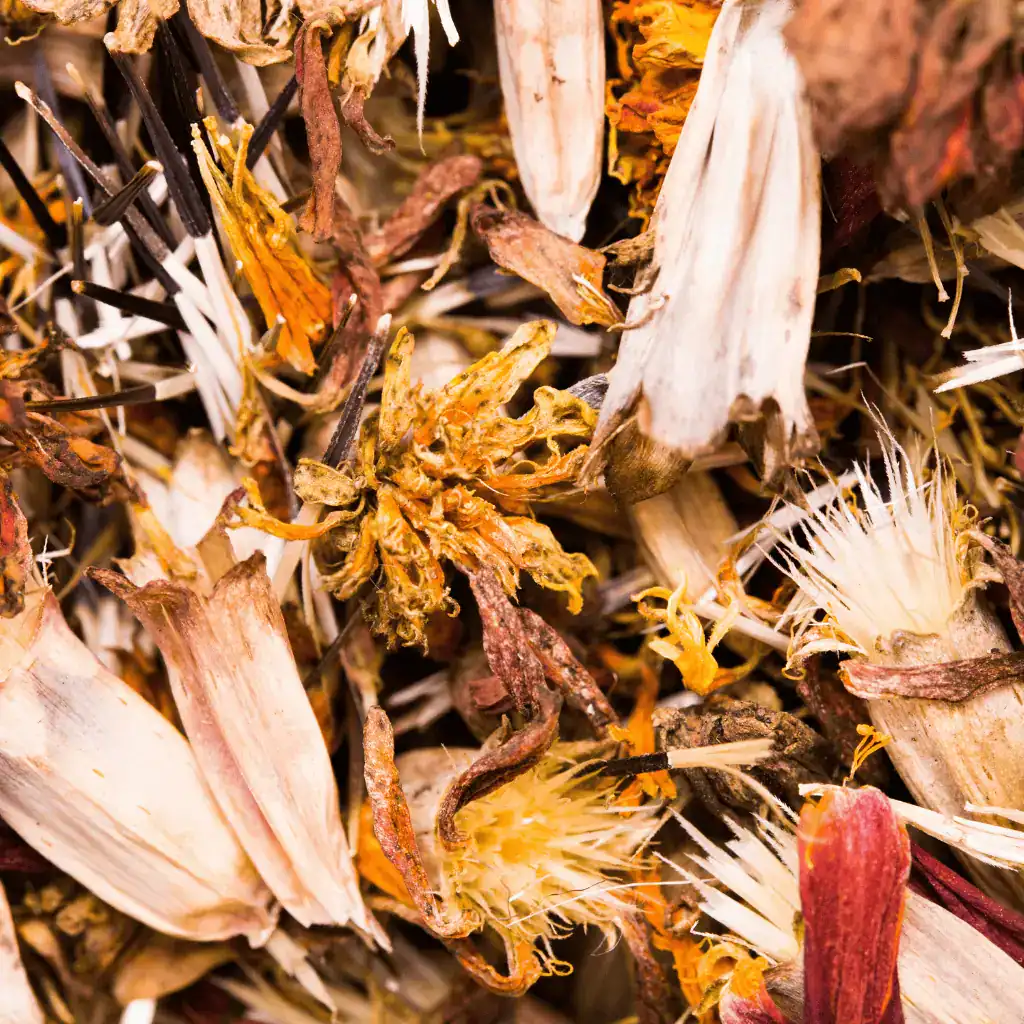
Collect seeds from your healthiest plants such as marigolds, zinnias, basil, or lettuce. Wait until seed heads are fully dry before gathering.
For flowers and herbs:
- Snip seed heads into a paper bag and label them right away.
- Shake or crumble the dried flowers gently to release the seeds.
- Spread seeds on a plate or paper towel for a few days to dry completely.
- Store them in labeled envelopes or small glass jars in a cool, dark place.
For vegetables:

- Tomatoes: Scoop out the seeds with their gel, place them in a small jar with water, and let them sit for two to three days. The good seeds will sink to the bottom. Rinse and dry them completely before storing.
- Peppers: Cut open a ripe pepper and spread the seeds on a paper towel to dry for several days.
- Beans or peas: Let pods dry on the vine until crisp, then shell and save the seeds inside.
Avoid plastic bags, since trapped moisture can cause mold. Saving seeds this way connects you to the rhythm of your garden. Each small envelope or jar a quiet promise of next spring’s growth.
13. Feed Your Soil
Before the garden settles into its deepest rest, give the soil a final gift. Spread a layer of compost, leaf mold, or aged manure across your beds. There is no need to dig it in. Simply lay it on top and let the winter rains draw the nutrients downward.
This quiet feeding strengthens the life below the surface. Earthworms will pull bits of compost deeper into the ground, and microorganisms will keep working through the cold months. While much of the garden sleeps, hardy plants such as garlic, kale, collards, and leeks continue to grow slowly in this rich, protected soil.
By spring, you will find the ground darker, looser, and full of vitality. Healthy soil is the heartbeat of the garden. When you feed it now, you are already nourishing next year’s harvest.
14. Add Winter Interest
When the garden turns quiet, beauty does not disappear. It simply changes form. Tuck evergreen boughs, pinecones, or berry-covered branches into bare beds. A clay pot, a wooden trellis, or a small bundle of dried herbs can bring shape and texture to the stillness.
Plant a few perennials that hold color through winter, such as hellebores, ornamental kale, or evergreen herbs like thyme. Even a touch of green against the soft browns of soil and mulch feels comforting.
When frost sparkles on seed heads or snow dusts a pinecone, you will see that the garden never truly sleeps. It only rests in beauty.
15. Support Wildlife
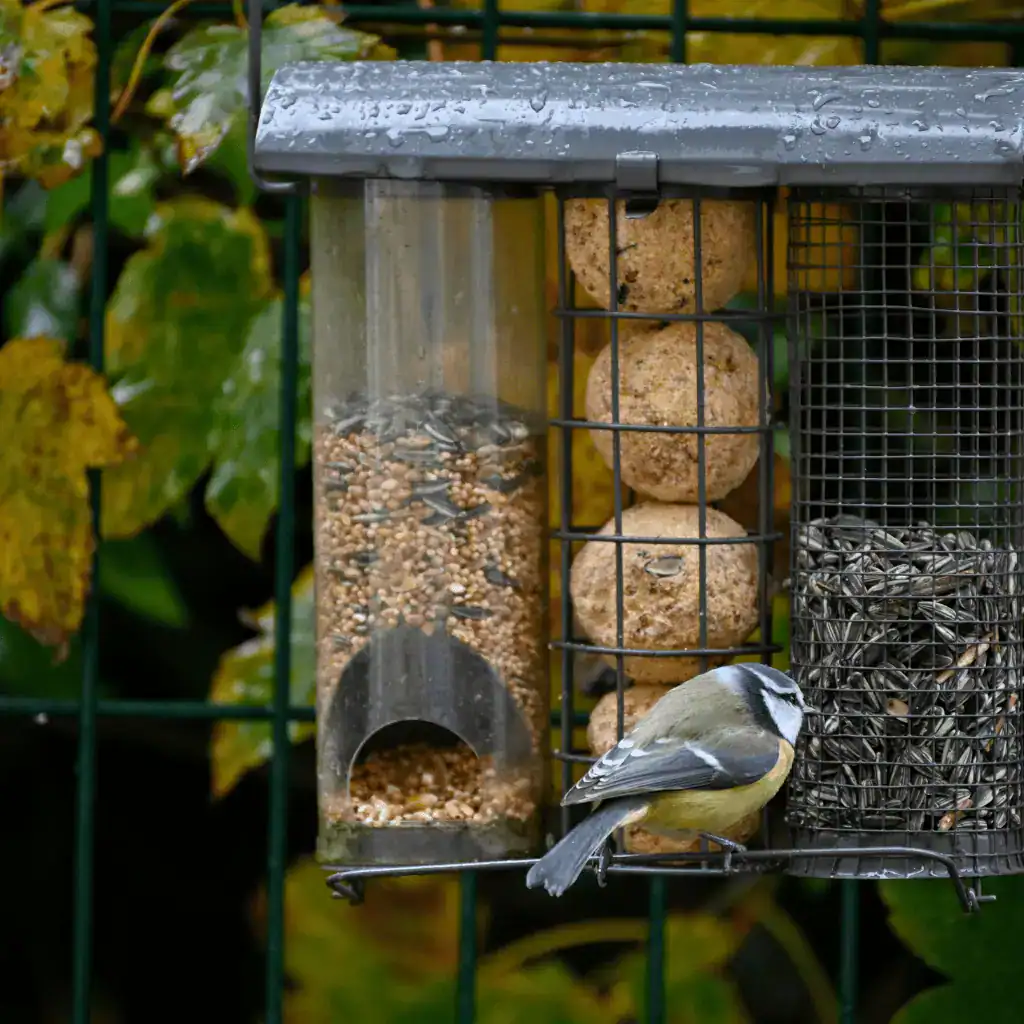
Even in the coldest months, your garden can be a place of refuge. Hang suet or seed feeders for birds and refill them after snow or rain. Leave a few dried flower stalks standing for the seed eaters that visit in winter.
Keep a shallow dish with pebbles filled with water on mild days so insects and small creatures can drink safely. If you have space, stack a few fallen branches in a quiet corner to create shelter for toads or overwintering bees.
When you care for the life that lingers, the birds, the insects, and the unseen, your garden stays alive with movement and sound. Each flutter and rustle reminds you that rest and life can exist together.
16. Reflect and Record
Fall and winter are seasons for slowing down and paying attention. There is no rush. Each week offers something new to notice. You will see a shift in the light, the first frost on the kale, the steady green of garlic tips pushing through the soil.
Keep your journal or camera nearby and capture what you see as the garden changes. Write about the small surprises: the resilience of collards after a cold night, the way sparrows visit the seed heads you chose not to cut, or how the mulch settles gently into place after rain.
You can jot notes by the window with a warm drink in hand or take a slow walk outside on mild days. Record what grew well, what brought you joy, and what you might plant differently next time. Over time, these small reflections become a quiet conversation between you and your garden.
When you look back in spring, your words and photos will remind you that the garden was never truly asleep. It was simply resting, teaching, and continuing to grow, just at a slower pace.
17. Rest, Just Like the Garden
Even in rest, there is planning and purpose.
Winter invites both you and your garden to slow down, not to stop. Beneath the surface, roots and seeds continue their quiet work, and, you can do the same.

Take time to dream a little.
Curl up with a cup of tea and seed catalogs, and check off the varieties that inspire you. If you're like me, you will end up with a lot of check marks and that is ok. Make notes about what you want to grow next year and what you might do differently.
Place your seed orders early, anticipate their arrival in the mail, and imagine how those tiny packets will soon fill your raised beds with color, flavor and a whole lot of joy.
Explore something new.
Look for a nursery or small garden center in your neighborhood that you have never visited before. You might discover new plants, local seed varieties, or a gardener who loves to share advice. Even a short visit can spark new ideas for your spring garden and introduce you to a community of people who love plants and gardening as much as you do.
You can sketch new layouts, plan companion plantings, or simply list the herbs and vegetables that brought you the most joy. These quiet winter tasks keep you connected to your garden, even while it sleeps.
So let the soil rest under its blanket of snow, leaves and compost, and let yourself rest too. Planning, imagining, and small discoveries are all part of the rhythm of gardening.
When spring returns, both you and your garden will be ready to begin again.
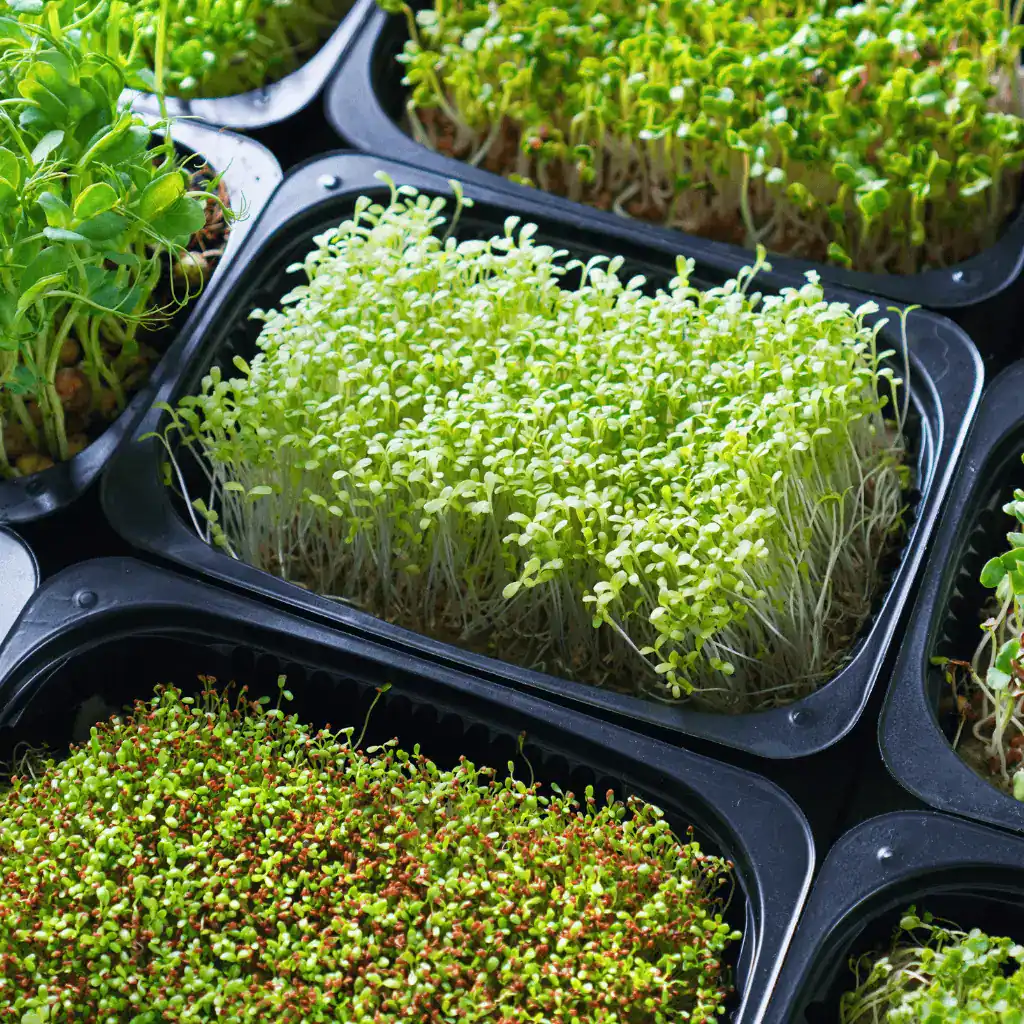

Bonus – Growing microgreens
While your outdoor beds rest under their blanket of leaves and snow, you can still enjoy the pleasure of growing fresh food inside.
Microgreens are the tender young seedlings of vegetables and herbs that are harvested just after their first true leaves appear. They are small, colorful, and packed with concentrated nutrients and flavor, making them a perfect crop for winter growing. They are simple, quick, and full of life…a miniature garden inside.
Fill a shallow tray or small pot with potting mix and scatter seeds across the surface. Press them lightly into the soil and mist with water. Place the tray on a sunny windowsill and keep the soil evenly moist.
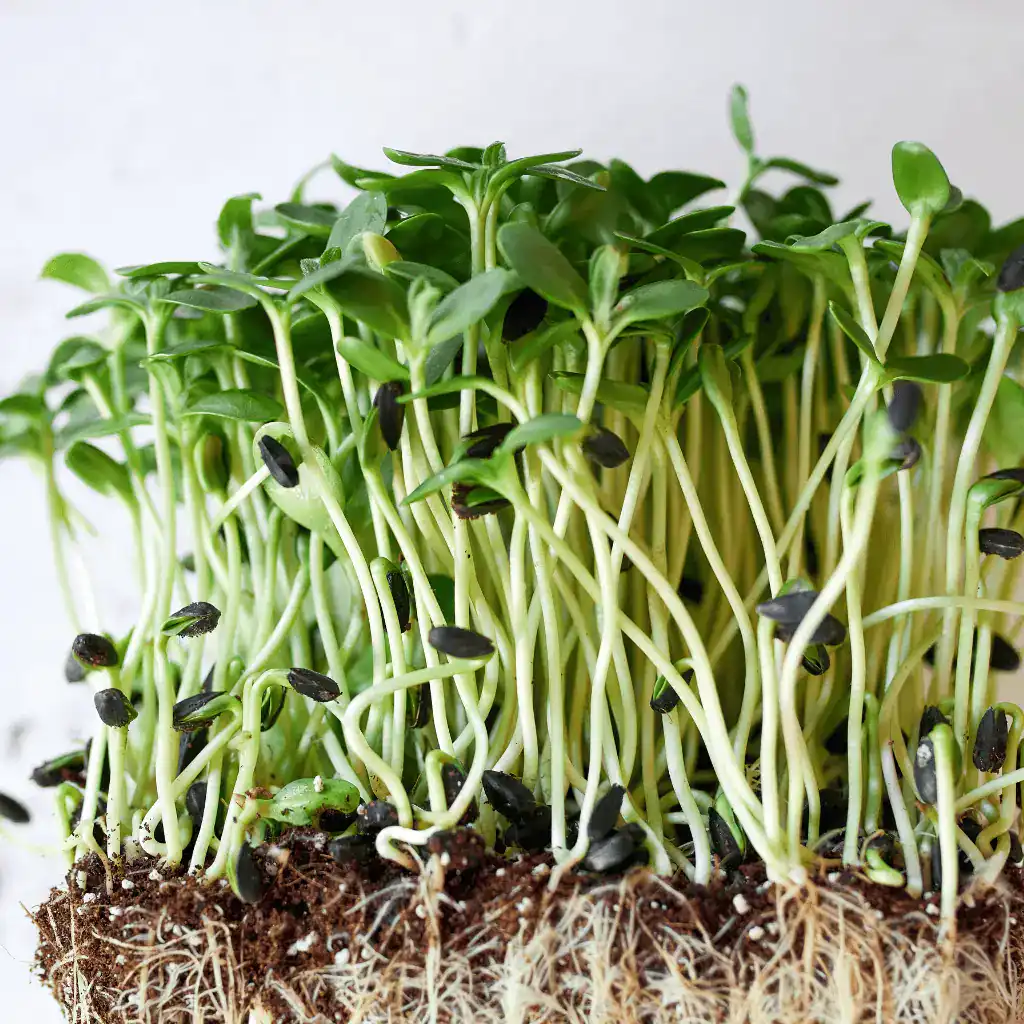
Most microgreens grow quickly. Radish, arugula, broccoli, mustard, and cabbage are ready to harvest in about seven to ten days. Pea and sunflower shoots take a little longer, about ten to fourteen days.
To harvest, use scissors to trim the greens just above the soil line. Add them to soups, sandwiches, and winter salads for a burst of fresh, earthy flavor.
If you are new to growing microgreens, start with easy and reliable seeds such as radish, broccoli, or sunflower. These varieties sprout fast and give generous yields in a short time.
Even in the quiet months, tending microgreens keeps the gardener in you awake. It is a gentle reminder that growth never truly stops. It simply finds new places to begin.
A Reflection from the Garden
Preparing your garden for winter is an act of gratitude. Beneath the stillness, the soil is busy, roots are breathing, and next year’s life is already forming.
When spring returns, your garden will remember this care. Until then, let it rest and let yourself relax and rest too.
Are you ready to start your first container garden? Download my free 8-Step Garden Checklist. I walk you through the setup so you can start strong.
Start your garden with confidence. Get the free Beginner’s Raised Bed Checklist and grow fresh food right outside your door.
Start your garden with confidence.
Your email is safe with us — we’ll only send helpful garden tips and updates, never spam. Unsubscribe anytime. Come back whenever you'd like.
If This Post Helped You In Any Way, Please Pin One Of The Images Below!
I am grateful. Thank you!