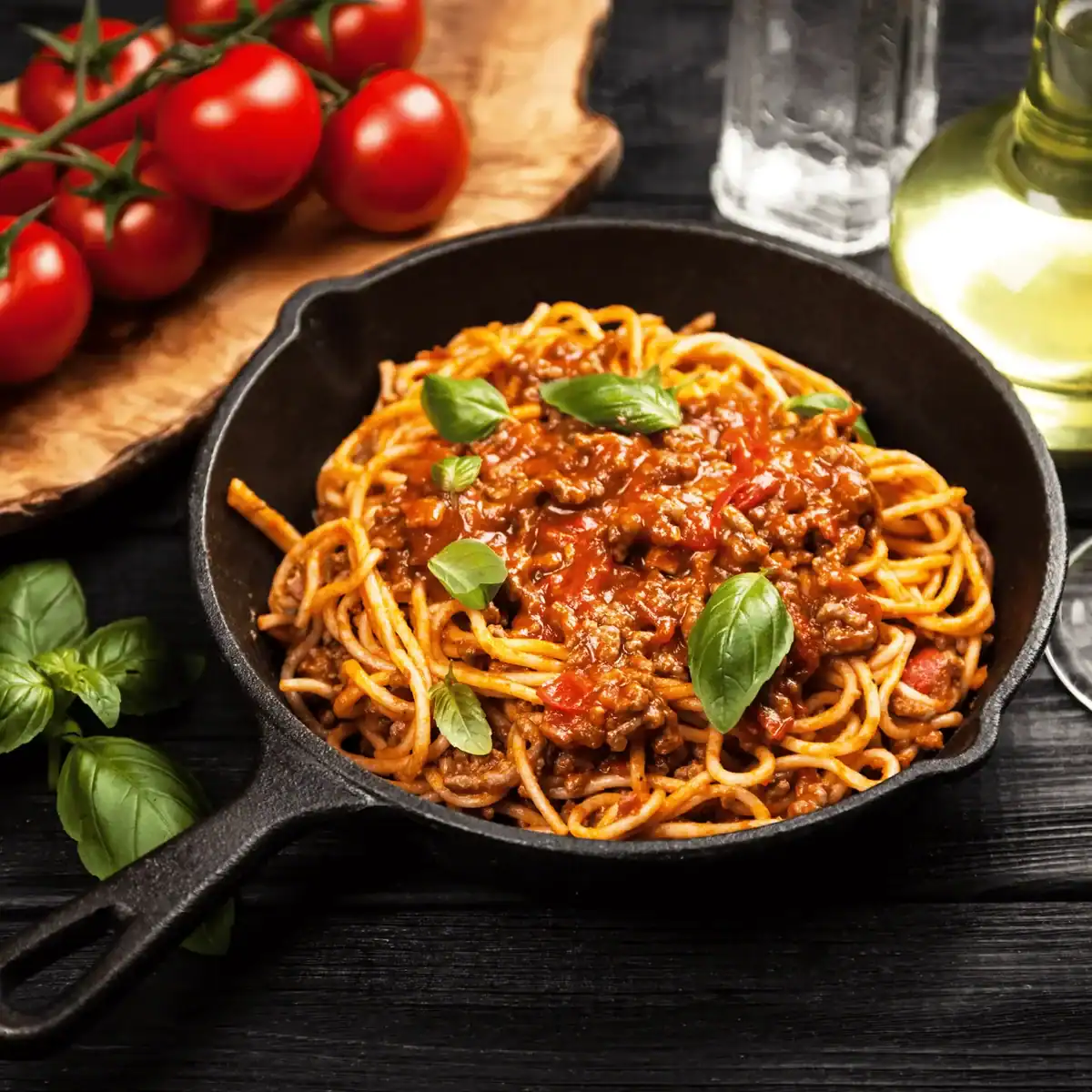
Food Production: 5 Powerful Reasons to Grow Your Own Food
Production in the kitchen garden brings nourishment to your table. A few raised beds can overflow with herbs, greens, and vegetables that feed both body and spirit.
When you grow for production, you grow the joy of harvesting your own clean, fresh, nutritious meals and the confidence of providing fresh, wholesome food for your family, grown right outside your kitchen door.
Part 2 of the Why Grow a Garden? Series — Production
This post is part of my Why Grow a Garden? series, where I share five inspiring reasons to grow a kitchen garden.
Why Grow A Garden For Food Production?
A garden is a place of beauty, but it is also a place of abundance.
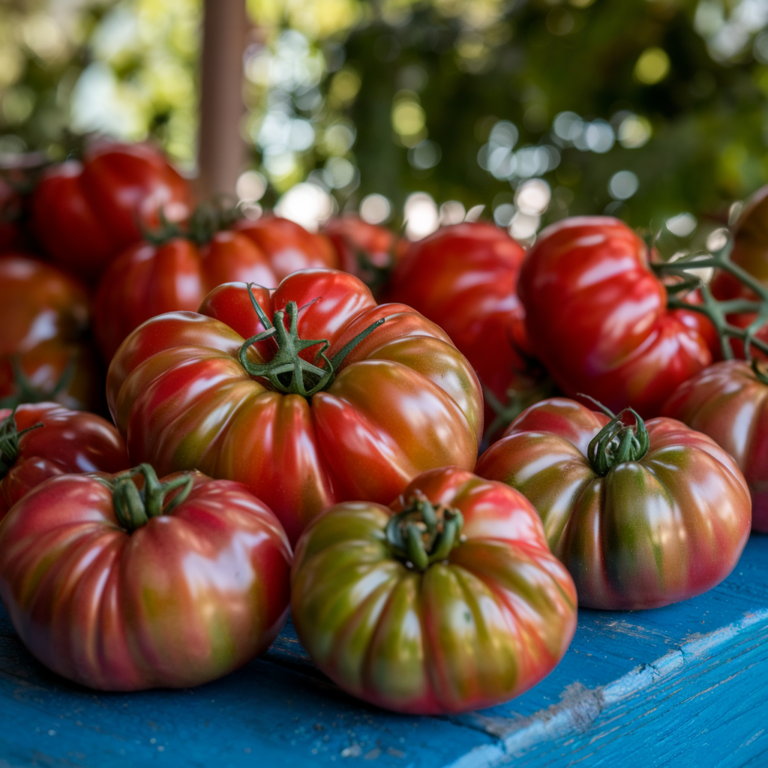
When you tuck a seed into the soil, you’re not just planting hope — you’re planting nutritious, delicious food and nourishment for your family. Those tiny beginnings will one day become salads on your table, herbs in your cooking, and baskets of tomatoes on your counter.
For many of us, production is one of the main reasons we start a garden. We want food that is fresh, alive, and flavorful. We want to step outside and pick dinner instead of running to the store.
And even in the smallest raised bed, a patio planter, or a single pot on a balcony, the garden can give us more than we imagine.
I still remember the first summer I planted a 4×8 raised bed overflowing with tomatoes, basil, cucumbers and beautiful marigolds and borage. Borage is my all time favorite herb because of its' beauty!
It amazed me how quickly those little plants grew into baskets of food. Instead of running to the store, I could step outside and gather sun-warmed tomatoes for a quick, delicious snack, salads for lunch and dinner, and basil to flavor almost every meal…I dried so much basil and oregano that I shared with everyone I know.
That harvest showed me what true food production looks like — not acres of farmland, but beauty and abundance right “inside the box”, at home.
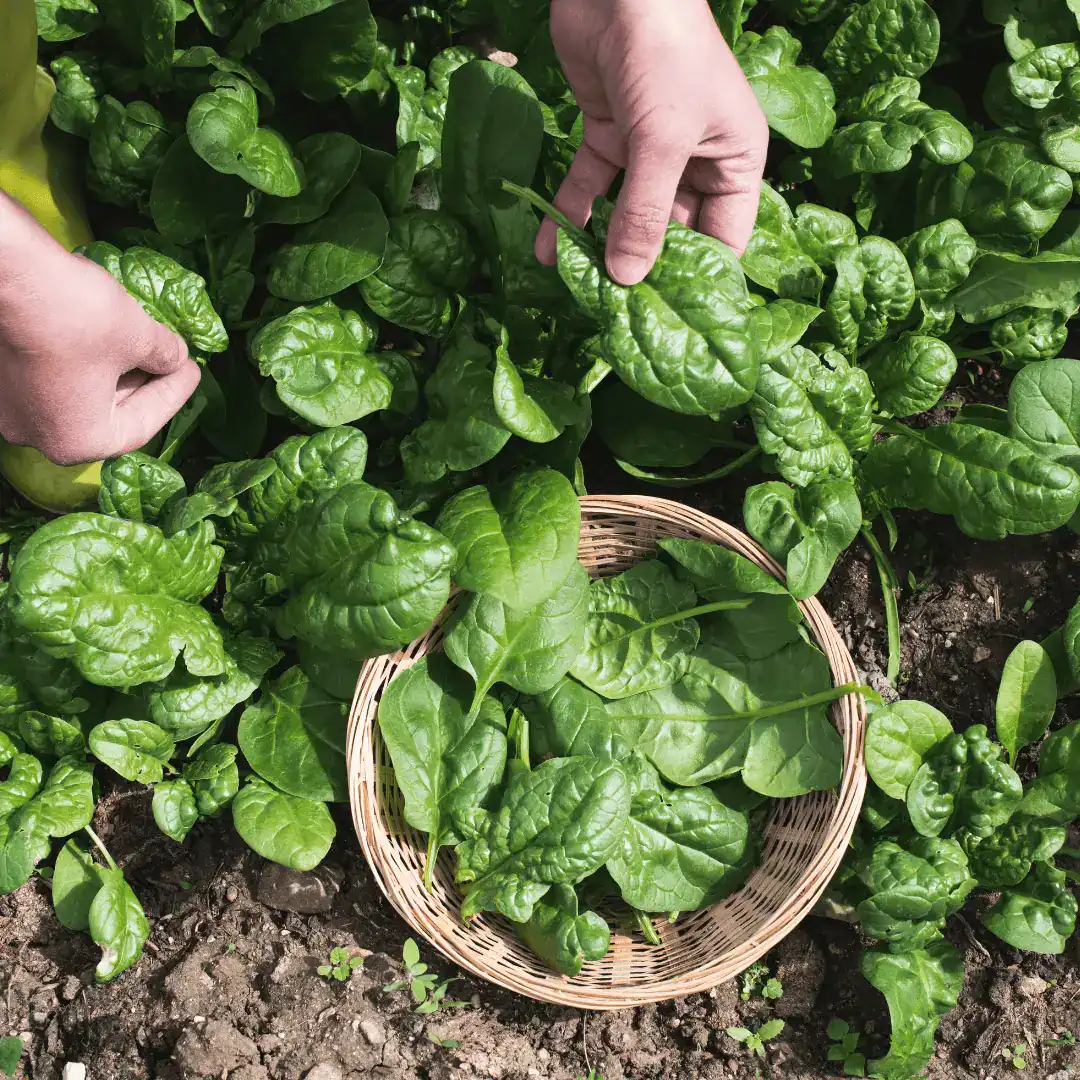
Freshness You Can't Buy
When gardeners talk about productivity, it can sound like something only possible with acres of land and rows of crops. But in a kitchen garden, production means something more attainable: steady, reliable food we can enjoy every day.
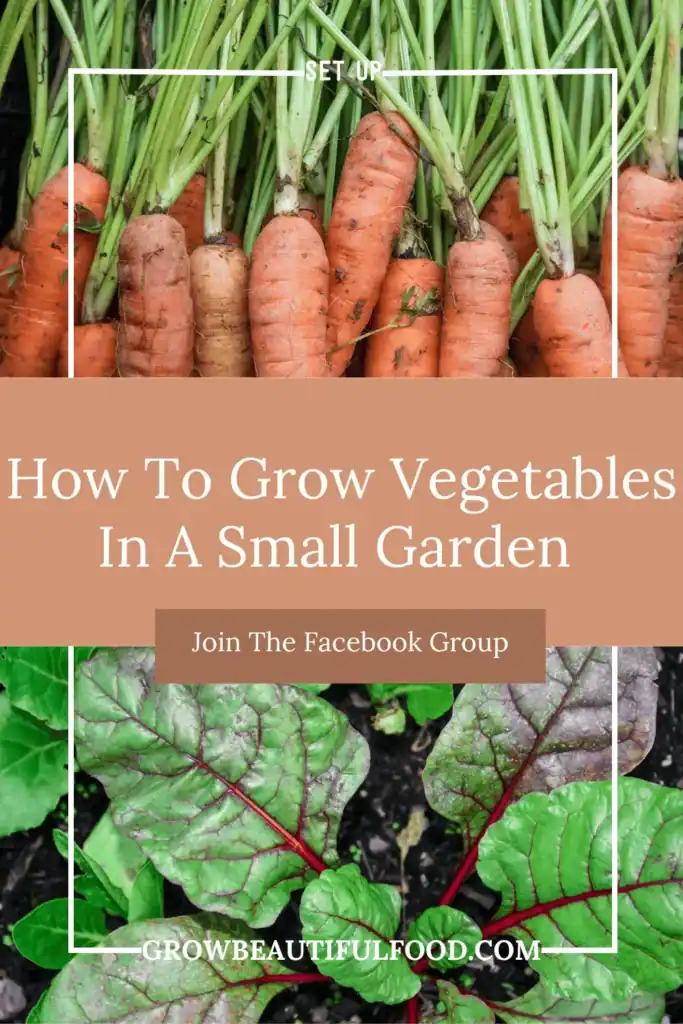
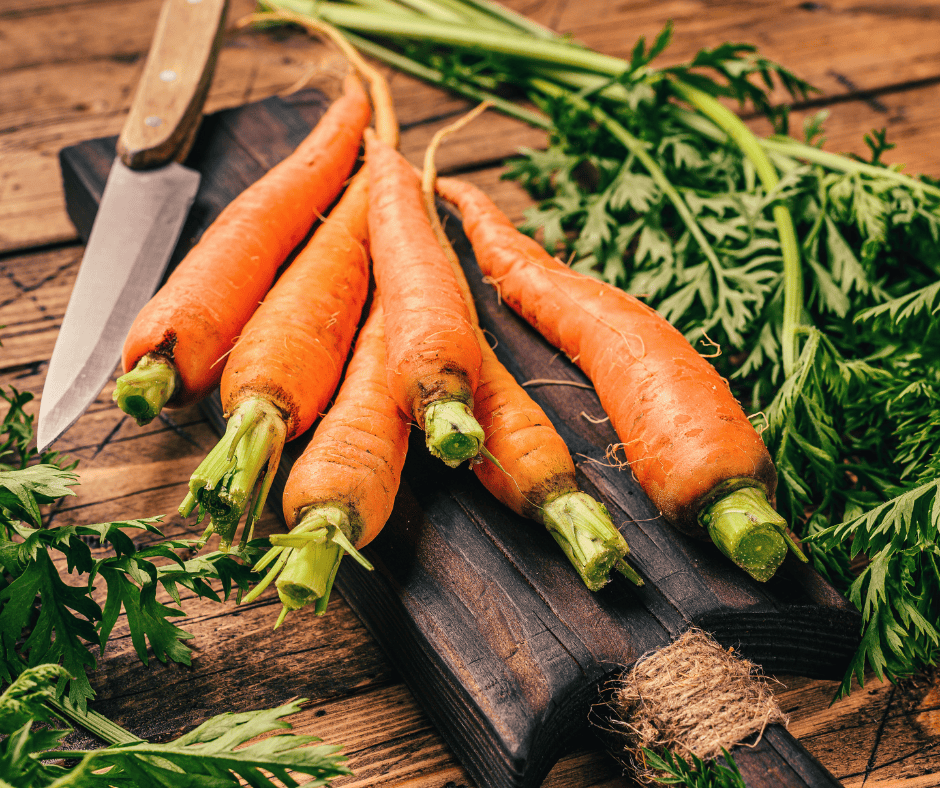
Nothing compares to stepping outside, pulling up a carrot, rinsing off the soil, and biting into the sweetness that no store can match.
Homegrown food is chemical-free, fresher, more flavorful, and more nutrient-dense, since you eat it soon after harvest. Children and adults are often more willing to try vegetables they helped grow, even if they have never eaten them before.
Meals take on a new rhythm when you cook from the garden. You begin to plan around what is ripe: pasta with fresh-picked cherry tomatoes, soups topped with coriander and garden parsley, or omelets filled with just-snipped oregano, dill and chives.
The garden doesn’t just feed us — it inspires us to be creative and unique in preparing our meals.
Healthy And Nutritious Meals
A productive garden provides handfuls of herbs and leafy greens each morning, a steady flow of tomatoes that ripen in waves, and basil and thyme you can snip from all summer long.
Productivity in the garden isn’t about stockpiling. It’s about planting what your family actually eats, so nothing goes to waste. Kale, chard, cucumbers, basil, oregano — these plants keep producing and add powerful nutrition to your meals.
When food production happens just steps away, your kitchen becomes healthier, your meals more colorful, and your family healthier, stronger, and more knowledgeable about where their food comes from.
What You Save By Growing Your Own Food
Seeds are one of the best investments you can make.
A $3 packet of lettuce seeds can supply salads for months. A few containers of peppers and tomatoes can fill jars of salsa. Even a windowsill of herbs will flavor many sandwiches and save countless trips to the store.
But the savings go far beyond your wallet:
- Less worry. You know exactly where your food comes from — not from trucks, warehouses, or shelves where it’s been picked over for days.
- Enhanced health. When you grow your own, you choose what goes into the soil and onto your plate, keeping chemicals out of your meals.
- Safe space for pollinators. A diverse, chemical-free garden becomes a safe haven for bees, butterflies, and other pollinators — the very creatures that make food production possible.
- Cleaner environment. Less packaging, less fuel, fewer miles traveled. Every tomato or basil leaf grown at home lightens the load on creation.
- Decreased waste. Harvest only what you need, when you need it. No more forgotten bags of greens wilting in the fridge.
Over time, even a small garden can save you worry, protect your health, support pollinators, care for the environment, and reduce waste — all while enhancing the quality of your food.
Food Security And Self-Reliance
Growing a productive garden also changes your relationship with food.
You experience firsthand, the work that goes into each bite, and you begin to value what the soil offers. A cucumber that isn’t the perfect shape, size or color, still has a place on your table. A harvest of zucchini (though often challenging to grow) becomes a gift to neighbors.
Production teaches patience and gratitude, but it also teaches resilience.
In uncertain times, there’s comfort in knowing that food is right outside your door. A few raised beds or containers can provide steady harvests, reduce reliance on grocery stores, and give you peace of mind and joy.
Reminder About Sunshine
Most fruiting vegetables need 6-8 hours of direct sunlight a day.
Joy And Satisfaction of Harvest
Ask any gardener what excites them most about production, and it’s not just the amount of food — it’s the experience of harvesting it.
A productive garden is a blessing. It doesn’t take much — a handful of seeds or seedlings, adequate sun, consistent and regular water — and yet it gives back more than you could have imagined. Each basket of tomatoes or strawberries is a reminder that care, tending, and time yield something special in return.
There’s also deep satisfaction in knowing your food is clean and trustworthy.
Homegrown vegetables don’t travel thousands of miles in a truck or sit stacked on a store shelf for days, touched and picked over by countless people. Instead, your food comes straight from your soil to your table — chemical-free, clean, vibrant, alive and beautiful.
Every garden is a story and a picture of provision.
When you choose to grow for production, you fill your table with freshness, joy, and the peace of mind that comes from harvesting the foods you and your family enjoy and love to eat on a daily basis.

Lessons From The Garden
Food production in the garden reminds us that nourishment is more than a necessity — it’s a blessing.
If beauty is what draws you to the garden, or you’re simply curious about other reasons to start one, explore the rest of this series:
- Why Grow a Garden: To Create Beauty
- What is a Kitchen Garden?
- Education (coming soon)
- Experience (coming soon)
- Sustainability (coming soon)
Start small or go big. Plant a raised bed, or two or a pot of herbs. Watch them grow, and discover for yourself the five essential reasons production in the garden is worth it.
So ask yourself: What food do I want my garden to provide for me this season? Maybe it’s daily salads, a summer full of tomatoes, or simply fresh herbs to brighten your meals. Whatever it is, your garden is ready to give.
Every garden tells a story of provision. When you choose to grow for production, you fill your table with freshness and the joy of harvesting the foods you love to eat.

Start your garden with confidence. Get the free Beginner’s Raised Bed Checklist and grow fresh food right outside your door.
Start your garden with confidence.
Your email is safe with us — we’ll only send helpful garden tips and updates, never spam. Unsubscribe anytime. Come back whenever you'd like.
Part 2 of the Why Grow a Garden? Series | Production
👉 Production — grow lots of food
👉 Education(coming soon) — teach children where food comes from
👉 Experience(coming soon) — create a space to gather and share
👉 Beauty — a space where your senses are satisfied
👉 Sustainability(coming soon) — where nature thrives
FAQs
How do i start my raised bed garden?

Start small with one or two raised beds. Choose a sunny location, use high-quality soil, and begin with easy to grow plants like lettuce, basil, or cherry tomatoes. Invest in basic tools and focus on learning the lessons from the garden.
What are the best vegetables to grow in a raised bed?

Raised beds are great for growing herbs, leafy greens (lettuce, kale, spinach), root vegetables (carrots, radishes, beets), and fruiting plants (peppers, tomatoes, strawberries).
What if I don't have a lot of space for a garden?

Even in a small area, you can grow plenty of herbs, vegetables, and fruits. Use vertical gardening (trellises), intensive planting, container gardening (pots) or square-foot gardening to maximize space.
What if im busy and don't have a lot of time?

If you set your garden up the right way and grow the right plants at the right time, you will lessen the time you spend tending your plants
I'm afraid of bugs. What should I do?

Not all bugs are bad! Beneficial insects like ladybugs and bees help your garden thrive. To keep pests away naturally, use companion planting (marigolds deter aphids), row covers. When you use sprays, they kill everything, not just what you don't like.
What should I do if my plants are struggling?

Check for watering issues, pests, soil quality, and sunlight levels. Yellow leaves often mean overwatering; dry, crispy leaves could mean underwatering. Check for pests and hand pick them off.
What should I plant?

Start with easy, quick growing, high-yield plants that fit your space and climate.
“The best time to start your kitchen garden was yesterday…the next best time is today!”
If This Post Helped You In Any Way, Please Pin One Of The Images Below!
I am grateful. Thank you!